The Biohacker's Stack: How to Combine Cold Plunge, Sauna, and Wim Hof Breathing for Maximum Results
If you have spent any time exploring biohacking, you have almost certainly encountered three practices that keep appearing together: cold immersion, sauna bathing, and controlled breathwork. Each of these tools carries significant standalone value - but the real magic happens when you combine them into a deliberate, sequenced protocol. The question is not simply whether to stack these practices, but how to arrange them so that each one amplifies the next.
In this guide, we break down the science behind thermal contrast and nervous system activation, walk you through the most effective protocol sequences, and show you how to adapt your stack depending on your goal - whether that is explosive morning energy or deep evening recovery. Whether you are an athlete, a dedicated biohacker, or someone building a premium home wellness setup, understanding the biohacking cold plunge sauna protocol is a genuine performance multiplier.
Why These Three Practices Work So Well Together
To understand the synergy, you need to understand what each practice does to your nervous system and physiology.
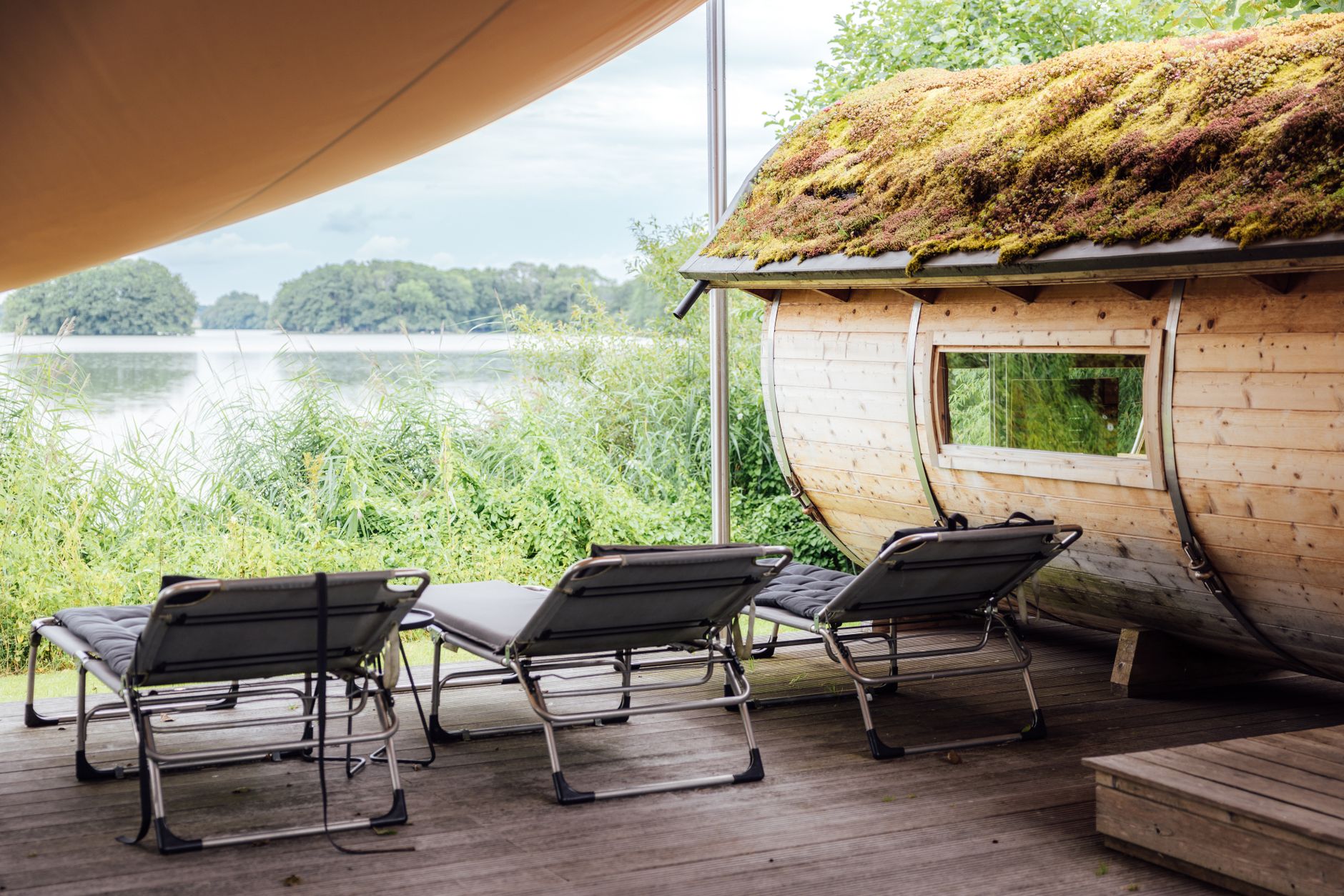
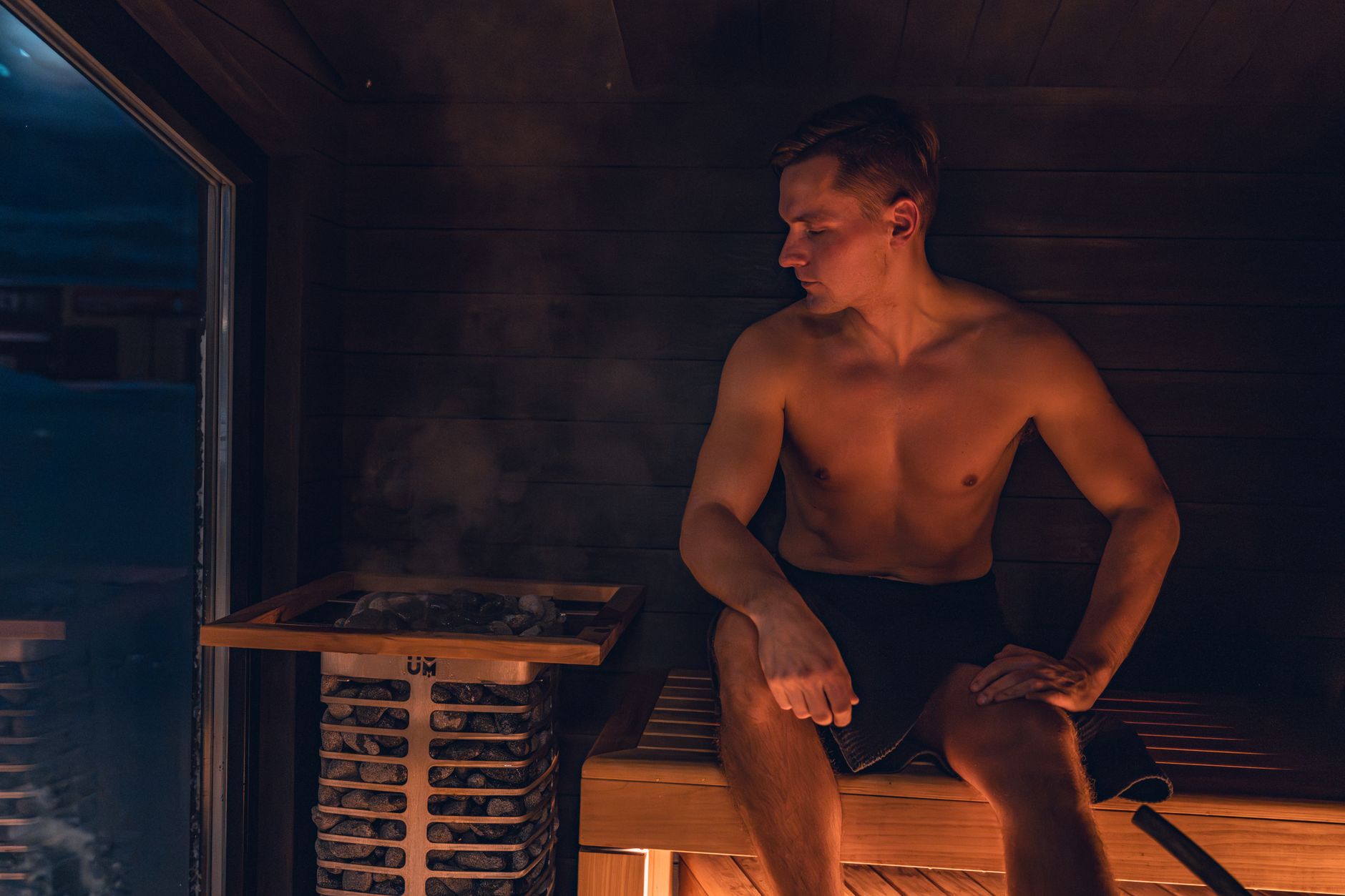
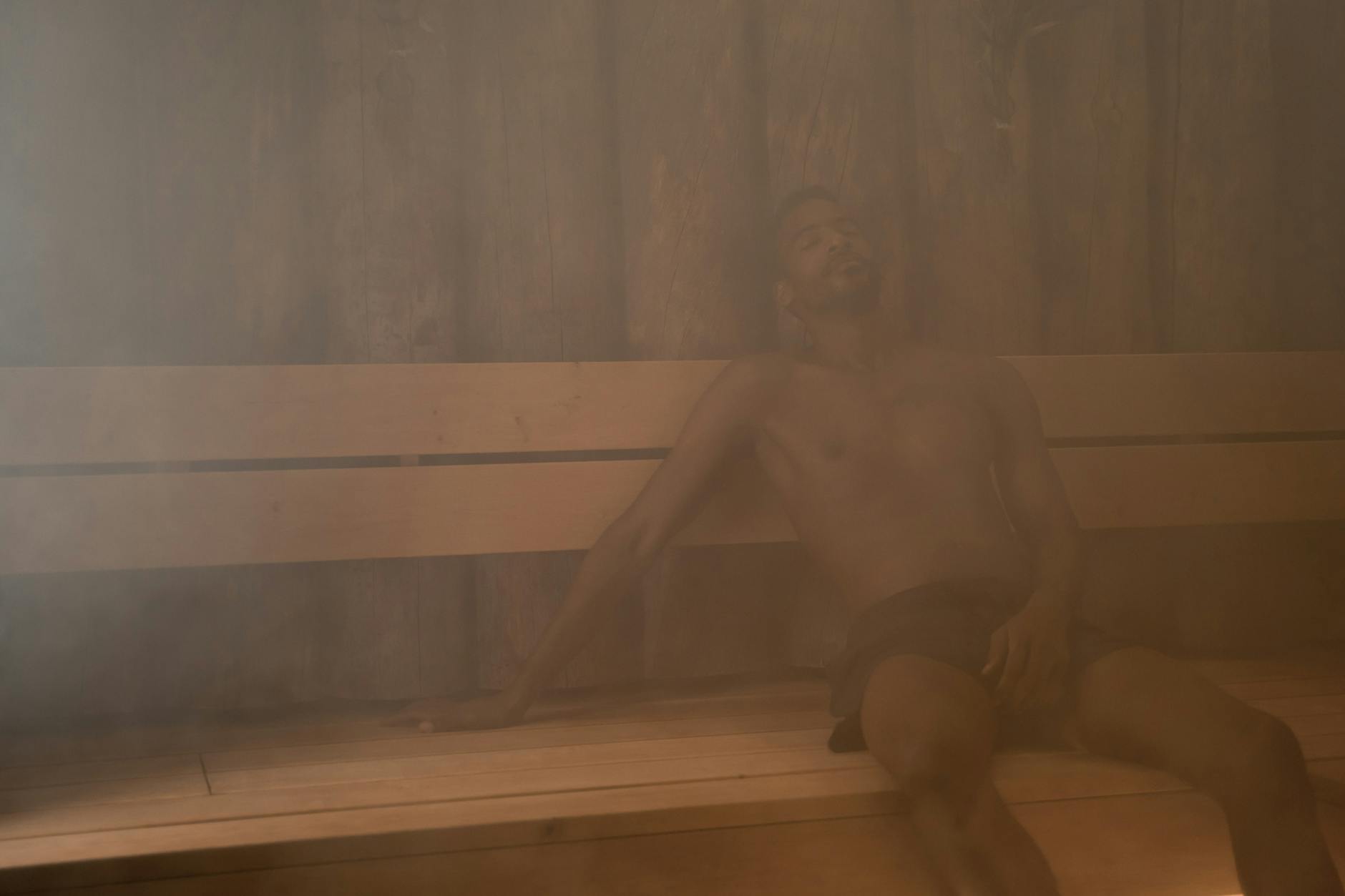
Sauna exposure drives your core body temperature upward, triggering vasodilation, increased cardiac output, and the release of heat shock proteins. Your parasympathetic system eventually settles into a deep, almost meditative state - but only after an initial sympathetic spike from the heat stress.
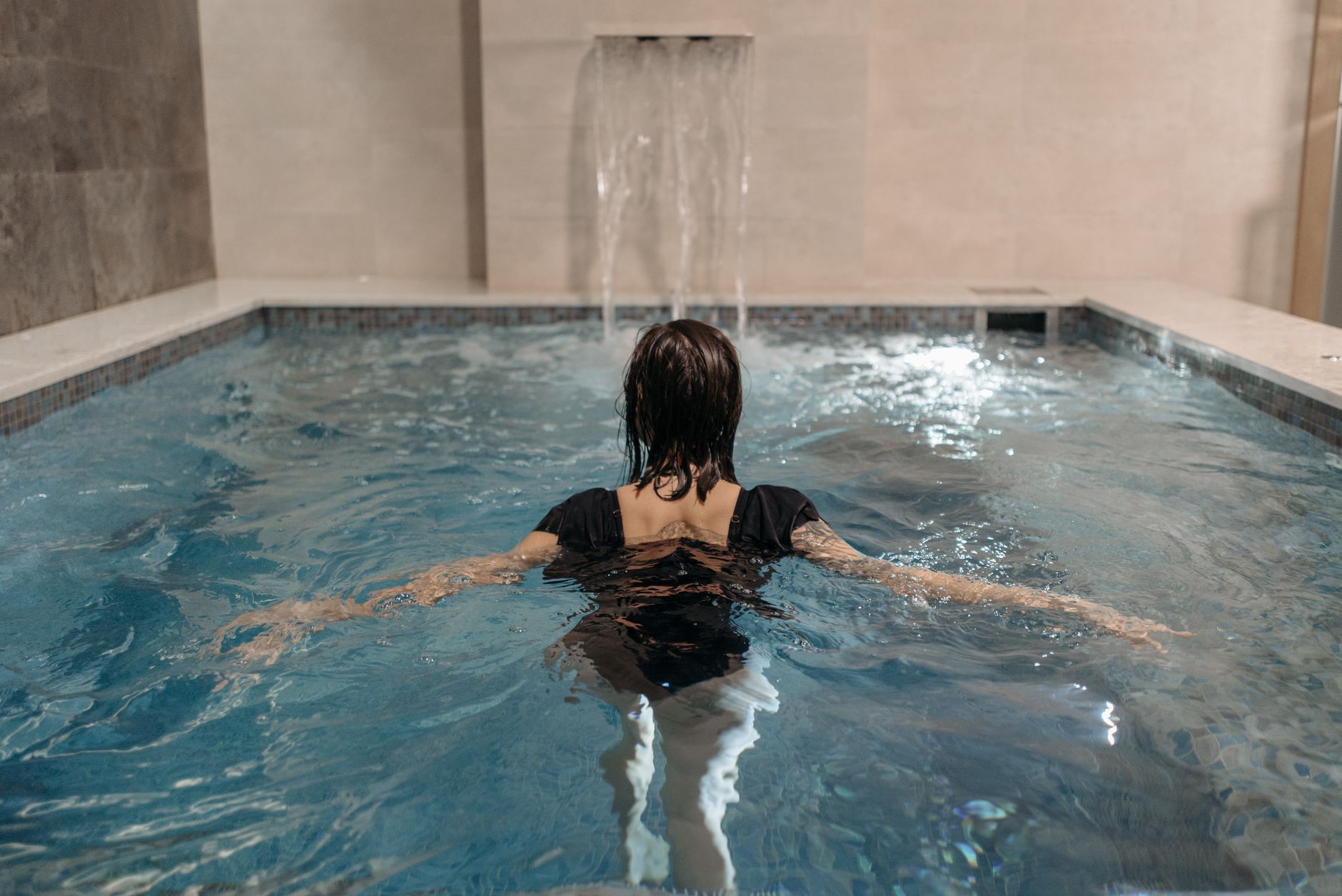
Cold immersion - whether in a dedicated cold plunge, an ice bath, or cold therapy unit - does the opposite. It activates the sympathetic nervous system sharply, triggering a norepinephrine surge, vasoconstriction, and an immediate shift in alertness. Research consistently shows that cold water immersion can produce norepinephrine increases of 200-300% above baseline, which explains the powerful mental clarity that follows.
Wim Hof breathing (cyclic hyperventilation followed by breath retention) creates its own chemical cascade - deliberately shifting blood CO2 and O2 levels, activating the sympathetic nervous system, and priming the body for stress tolerance. When used strategically within a sauna-cold protocol, breathwork acts as a bridge that either extends the benefits or transitions your physiology between states.
The key insight: thermal contrast stresses the body in a controlled, beneficial way, and breathwork gives you a tool to consciously modulate how your nervous system responds to that stress.
The Classic Protocol: Sauna - Cold Plunge - Breathwork
This is the sequence most widely practiced in the biohacking community, and for good reason. Here is how to execute it precisely:
- Sauna - 15 to 20 minutes: Enter the sauna and allow your body temperature to rise steadily. Aim for a heat environment between 80°C and 100°C. Focus on slow, nasal breathing. Do not rush this phase - the gradual heat build-up is the signal your body needs.
- Cold plunge - 2 to 4 minutes: Exit the sauna and enter cold water immediately - ideally between 10°C and 15°C for most users, or as low as 2°C-5°C for experienced practitioners. Control your breathing. The first 30 seconds are the hardest; once past the initial shock, your nervous system begins adapting rapidly.
- Rest - 5 minutes: Exit the cold and rest at room temperature. This is when your body produces the strongest norepinephrine and dopamine response. Do not skip this phase.
- Wim Hof breathing - 10 to 15 minutes: Perform 3 to 4 rounds of 30 power breaths followed by a comfortable breath retention. This extends the neurochemical window opened by the cold and deepens the meditative, high-clarity state.
Repeat the sauna-cold cycle 2 to 3 times before finishing with breathwork. Total session time: approximately 60 to 90 minutes.

Alternative Sequences and When to Use Them
The classic order is powerful, but it is not the only option. Your goal should determine your sequence.
Breathwork First - For High-Stress Sessions
If you are entering a particularly intense session or feel mentally scattered, starting with 2 to 3 rounds of Wim Hof breathing before any thermal exposure can sharpen focus and reduce the perceived difficulty of both the sauna and the cold plunge. This approach is useful for beginners who find cold immersion overwhelming.
Cold Plunge First - For Nervous System Priming
Some advanced practitioners prefer starting with cold immersion to activate the sympathetic nervous system before heat exposure. This creates a different contrast effect - moving from cold to heat - which some find produces a more profound relaxation response in the sauna phase. Try 2 to 3 minutes in cold water, then 15 minutes in the sauna, then a final cold plunge.
Breathwork Between Rounds
Insert a short Wim Hof session (1 to 2 rounds only) between your sauna and cold plunge phases. This extends the sympathetic activation before cold immersion and can intensify the overall experience. Use this approach with caution - never perform breath retention in or near water.
Morning Energy vs. Evening Recovery - Adapting Your Protocol
One of the most practical aspects of this biohacking stack is how easily it adapts to different goals.
Morning Protocol - Activate and Energize
Goal: Maximum mental clarity, energy, and readiness for performance.
- Start with cold plunge (2-3 minutes at 10°C-14°C) immediately after waking
- Follow with a short sauna session (10-15 minutes)
- Finish with Wim Hof breathing (3 rounds)
- Total time: 35-45 minutes
Starting with cold maximizes the early norepinephrine and dopamine surge, which carries forward into the sauna phase and breathwork. The result is a sustained, clean energy state without caffeine dependence.
Evening Protocol - Recover and Repair
Goal: Muscle recovery, inflammation management, and deep sleep preparation.
- Begin with Wim Hof breathing (2-3 rounds) to clear the stress of the day
- Enter the sauna (20 minutes) for deep heat exposure and relaxation
- Finish with a cold plunge (2-3 minutes at 12°C-15°C, slightly warmer than morning)
- Rest for 10-15 minutes in a quiet, warm environment before sleep
- Total time: 50-65 minutes
Note: Ending with cold immersion in the evening may delay sleep for some individuals. If you find this is the case, reverse the final two steps and end with a short sauna phase at lower temperatures.
Precision Temperature Control - Why It Matters for the Protocol
The effectiveness of any cold immersion protocol depends heavily on consistent, reliable temperature control. If your cold plunge temperature drifts between sessions, the physiological signals you are sending your body become inconsistent - and so do the results.
A quality cold plunge system with precise temperature regulation allows you to set specific targets - whether that is 8°C for an intense morning activation session or 15°C for a gentler evening recovery protocol. The ability to control temperature with precision is not a luxury feature; it is a fundamental requirement of a serious biohacking stack.
This is the philosophy behind Caspera - a Polish premium cold plunge and chiller system engineered for exactly this kind of intentional, protocol-driven use. With a temperature range of 2°C to 40°C, premium sanitary acrylic construction, and 5-year structural warranty, it is built for athletes, biohackers, and wellness spaces that take recovery seriously.
Summary - Building Your Personal Protocol
The biohacking cold plunge sauna protocol is not a one-size-fits-all formula. It is a flexible, powerful framework that you adapt to your physiology, schedule, and goals. Start with the classic sauna-cold-breathwork sequence, track how your body responds, and experiment with the alternative orderings described above.
The core principles are simple: use heat to prepare, cold to activate, and breathwork to extend and deepen the neurochemical benefits. Give each element the time and precision it deserves - and invest in equipment that supports that precision.
If you are ready to build a serious cold therapy setup at home or in your wellness facility, visit caspera.pl and fill out the contact form to get detailed product information or place an order. The Caspera team is ready to help you design the right setup for your recovery goals.
Frequently Asked Questions
How long should I stay in a cold plunge during a biohacking protocol?
For most practitioners, 2 to 4 minutes is the effective range. Beginners should start at 2 minutes and increase gradually. Duration should always be adjusted based on water temperature - colder water requires shorter exposure.
Is it safe to do Wim Hof breathing before cold immersion?
Wim Hof breathing is generally safe on land before cold exposure. However, never perform breath retention exercises in or near water - the combination can cause loss of consciousness. Always complete your breathwork session fully before entering any water.
How many times per week should I do this protocol?
Most biohackers and athletes see strong results with 3 to 5 sessions per week. Listen to your body - if recovery feels incomplete, reduce frequency before adjusting intensity.
What temperature cold plunge is best for beginners?
A temperature between 14°C and 18°C is a practical starting point for most beginners. As your cold tolerance builds over several weeks, you can progressively lower the temperature toward the 8°C-12°C range that more experienced practitioners use.
Can I do this protocol without a sauna?
Yes - cold plunge combined with Wim Hof breathing alone is a valuable and effective stack. The sauna enhances the thermal contrast effect, but it is not mandatory. Many practitioners use hot showers as a partial substitute when a sauna is not available.
Ready for cold plunge?
CASPERA ARC/NØR - from 2°C
Polish premium cold plunge. Precise temperature control, sanitary acrylic, 5-year warranty. Delivery and installation across Poland.
Ask about the product →