Noradrenaline and Dopamine from Ice: How a Cold Plunge Rewires Your Brain
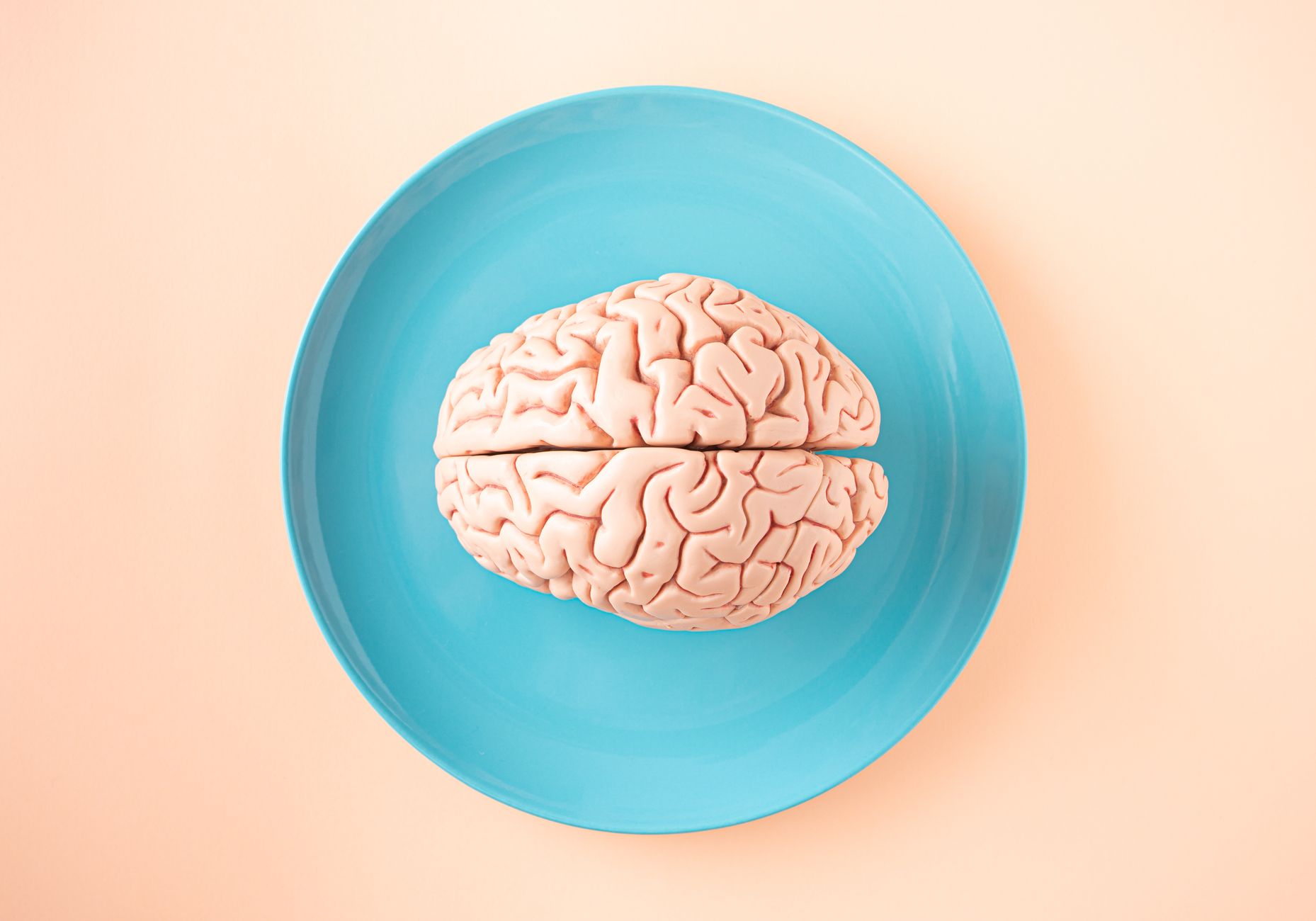
There is a moment, about three seconds into a cold plunge, when your body does something extraordinary. Your breath shortens, your heart rate spikes, and somewhere deep inside your skull, a small cluster of neurons fires like a starter pistol. That cluster is called the locus coeruleus, and it is the command center for two of the most powerful neurochemicals your brain produces - noradrenaline and dopamine. What happens next is not just a short shock reaction. Research from Andrew Huberman at Stanford and physiologist Søren Brage, along with landmark studies by Rhonda Patrick and Danish cold exposure researcher Kamila Søndergaard, suggests the neurochemical shift triggered by cold water immersion can last for hours after you step out of the bath. This article breaks down exactly how that process works, why it matters for your focus, motivation, and mood, and what it means for anyone serious about optimizing their mental and physical performance.
The Locus Coeruleus: Your Brain's Ignition Switch
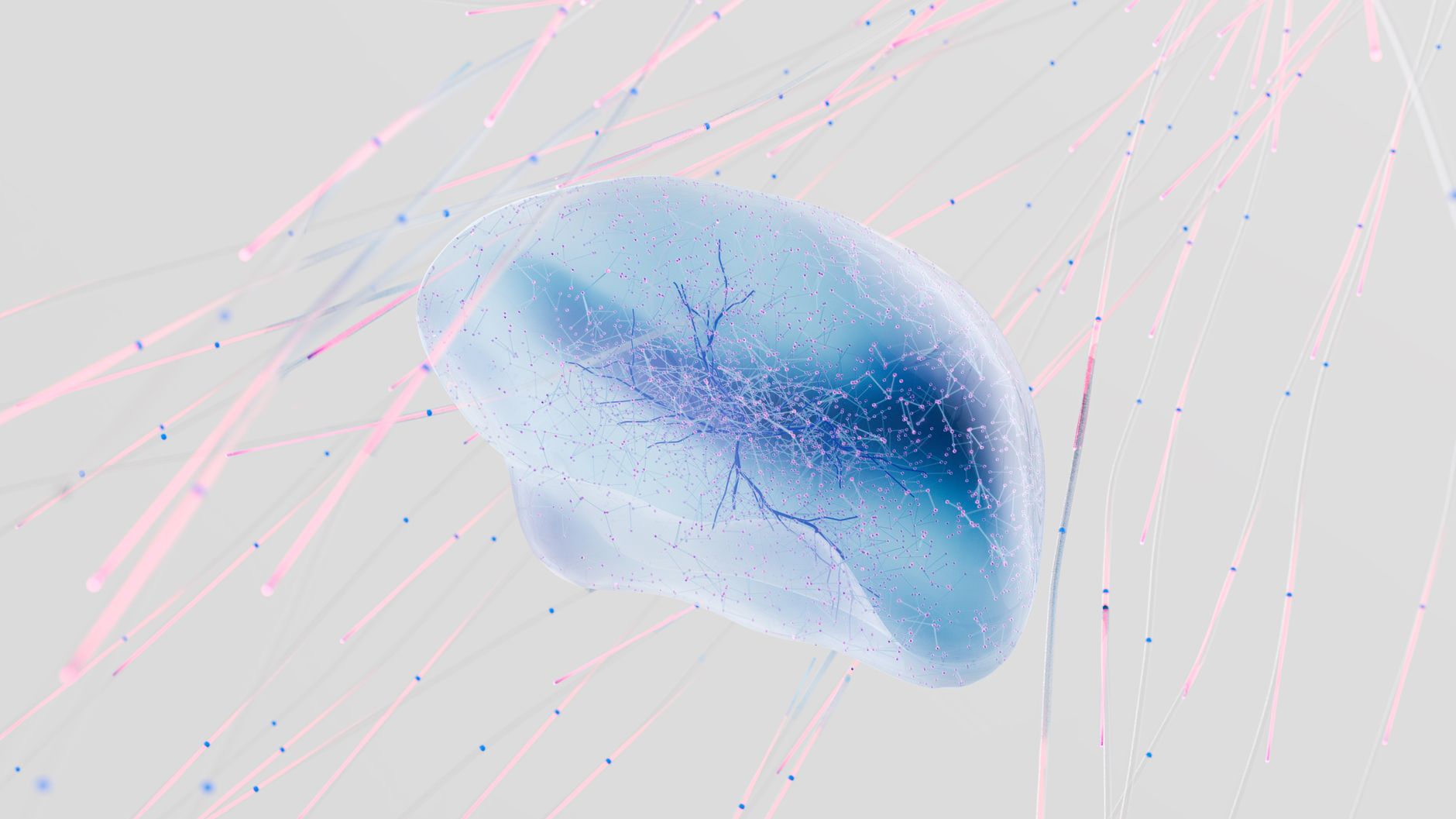
Think of the locus coeruleus as a tiny engine buried in your brainstem. Under normal conditions, it idles. But when you step into cold water - say, anywhere between 10°C and 15°C - sensory signals flood in through your skin, and this small nucleus ignites. It immediately begins releasing noradrenaline (also called norepinephrine) throughout the brain.
Noradrenaline is your brain's sharpening tool. It narrows attentional focus, accelerates processing speed, and primes you for action. Huberman describes this effect as similar to switching a blurry camera into sharp focus. The world does not just feel clearer after a cold plunge - neurologically, your brain is actually operating with more precision because noradrenaline is binding to receptors across your prefrontal cortex and limbic system.
What makes this especially interesting is the duration of the effect. This is not adrenaline, which burns hot and fast. Noradrenaline from a cold exposure session has been measured in studies to remain elevated for two to four hours post-immersion. A single cold plunge session is, in neurochemical terms, closer to a long-acting performance tool than a quick jolt.
The Dopamine Surge: More Than Just a Reward Signal
Dopamine is often misunderstood as the brain's "pleasure chemical." That description sells it short. Dopamine is better understood as the molecule of motivation and anticipation - it drives you toward goals, sustains effort, and creates the mental state where challenges feel worthwhile rather than exhausting.
Research published in peer-reviewed literature on cold water immersion has documented dopamine increases of up to 250% above baseline following cold exposure. That figure comes from studies measuring urinary and plasma dopamine metabolites after subjects underwent deliberate cold water therapy. For context, vigorous exercise typically raises dopamine by around 100-200%. A cold plunge can produce a comparable or greater effect - without requiring 45 minutes on a treadmill.
What makes the dopamine release from cold immersion particularly valuable is its gradual and sustained nature. Unlike the rapid dopamine spike from a sugary food or a social media notification - which peaks quickly and crashes - cold exposure produces a slow, steady climb that plateaus and remains elevated for hours. This is the chemical signature of deep, lasting motivation rather than shallow, fleeting pleasure.
The Practical Effects: Focus, Drive, and Mood Regulation
Understanding the neurochemistry is useful. Understanding what it actually does to your day is more useful. Here is how the noradrenaline and dopamine response from a cold plunge translates into real-world function:
- Sharper mental focus - The noradrenaline surge narrows attentional bandwidth, making distracting thoughts less intrusive and deep work more accessible. Many biohackers and athletes report that a morning cold plunge replaces the need for a second cup of coffee.
- Elevated baseline motivation - The sustained dopamine elevation means your drive to start and complete tasks stays higher throughout the morning and early afternoon following a session.
- Improved stress resilience - Regular cold exposure trains the locus coeruleus to modulate its response more efficiently over time. You become less reactive to everyday stressors because your noradrenaline system grows more calibrated.
- Mood stabilization - Several studies, including research from Finland and Denmark, have explored the relationship between regular cold water immersion and reduced symptoms of low mood. While cold therapy is not a clinical treatment, the evidence points toward meaningful mood support through repeated dopaminergic activation.
- Better post-workout recovery mindset - Athletes who combine physical training with cold plunge sessions report a qualitatively different mental recovery alongside the well-documented physical one. The neurochemical reset appears to reduce the mental fatigue that often accompanies intense training blocks.
Why Temperature Precision Matters for Neurochemical Response
Not all cold exposures are equal. Research suggests that the optimal range for triggering a robust noradrenaline and dopamine response sits between 10°C and 15°C for most people. Water that is too warm produces a mild response. Water that is extreme - below 5°C - can overwhelm the system and shift the experience from therapeutic stress to acute physical distress, which activates a different stress pathway and may not deliver the same clean neurochemical profile.
This is where precision engineering becomes directly relevant to your results. If you are serious about using cold immersion as a neurochemical performance tool, you need the ability to set and hold an exact temperature - not approximate it with ice bags in a bathtub. The difference between 8°C and 14°C is not trivial; it is the difference between triggering the optimal adaptive stress response and triggering a survival panic response.
For anyone investing in a home wellness setup or a professional recovery facility, a system capable of maintaining temperature within a precise range - and sustaining it across multiple sessions - is what separates a consistent practice from a guessing game.
Building a Protocol: How to Structure Cold Exposure for Brain Benefits
Consistency matters more than intensity. The neurological adaptations from cold exposure accumulate over weeks and months of regular practice. Here is a practical framework based on the available research:
- Start with 2-3 sessions per week at 11-14°C, lasting 2-4 minutes per session. This is enough to trigger meaningful noradrenaline and dopamine output without overtaxing your recovery systems.
- Morning timing amplifies the benefit. Noradrenaline and dopamine are already part of your natural morning arousal circuit. Cold exposure in the first two hours after waking stacks with this natural cycle rather than working against it.
- Do not immediately warm up artificially. Letting your body rewarm naturally after a session appears to extend the duration of the neurochemical elevation. If you jump straight into a hot shower, you blunt part of the benefit.
- Track subjective focus and mood. Keep a simple log. Most people notice measurable shifts in perceived mental clarity and motivation within two to three weeks of consistent practice.
- Progress gradually. As your cold tolerance increases - which is itself a sign of locus coeruleus adaptation - you can extend session duration or lower temperature slightly to maintain the stimulus.
Summary: The Ice Bath as a Neurological Investment
A cold plunge is not just about sore muscles or inflammation. At the level of your brain chemistry, regular cold water immersion is one of the most well-documented non-pharmacological tools for elevating noradrenaline and dopamine simultaneously, sustaining those elevations for hours, and building a more resilient stress-response system over time. For athletes, biohackers, and wellness-focused individuals, that represents a meaningful investment in daily cognitive and emotional performance - one that compounds with each consistent session.
If you are ready to build a precision cold therapy practice at home or in a professional wellness setting, Caspera offers premium cold plunge systems engineered in Poland with temperature control from 2°C to 40°C, built from medical-grade acrylic, and backed by a 5-year structural warranty. Visit caspera.pl and fill out the contact form to get detailed product information or place an order. Your brain is waiting for the signal.
Frequently Asked Questions
How long does the dopamine boost from a cold plunge actually last?
Based on current research, dopamine elevations following cold water immersion can remain measurably above baseline for two to four hours post-session. The exact duration varies depending on water temperature, immersion time, and individual baseline neurochemistry.
Is a cold plunge better than exercise for dopamine release?
They work through partially overlapping but distinct pathways. Cold immersion has been documented to produce dopamine increases of up to 250% above baseline - comparable to vigorous exercise - but in a shorter time window. Many practitioners combine both for a compounding effect rather than treating them as alternatives.
How cold does the water need to be to get the neurochemical benefits?
Research points to the 10-15°C range as optimal for most people seeking the noradrenaline and dopamine response. This range provides sufficient thermal stress to activate the locus coeruleus without triggering an overwhelming survival-level reaction. Precise temperature control - rather than guessing with ice - is what makes consistent neurological results possible.
Can beginners benefit, or do you need to build up tolerance first?
Even first-time cold plunge users show measurable noradrenaline elevation. The neurological response does not require prior experience. However, the quality of the experience - and your ability to stay calm and present during immersion rather than panicking - improves significantly with practice, which helps you derive more consistent benefit over time.
How often should I do cold plunges to notice mental performance improvements?
Two to three sessions per week appears to be a practical starting threshold based on available evidence. Subjective improvements in focus and motivation typically become noticeable within two to three weeks of consistent practice at this frequency.
Ready for cold plunge?
CASPERA ARC/NØR - from 2°C
Polish premium cold plunge. Precise temperature control, sanitary acrylic, 5-year warranty. Delivery and installation across Poland.
Ask about the product →