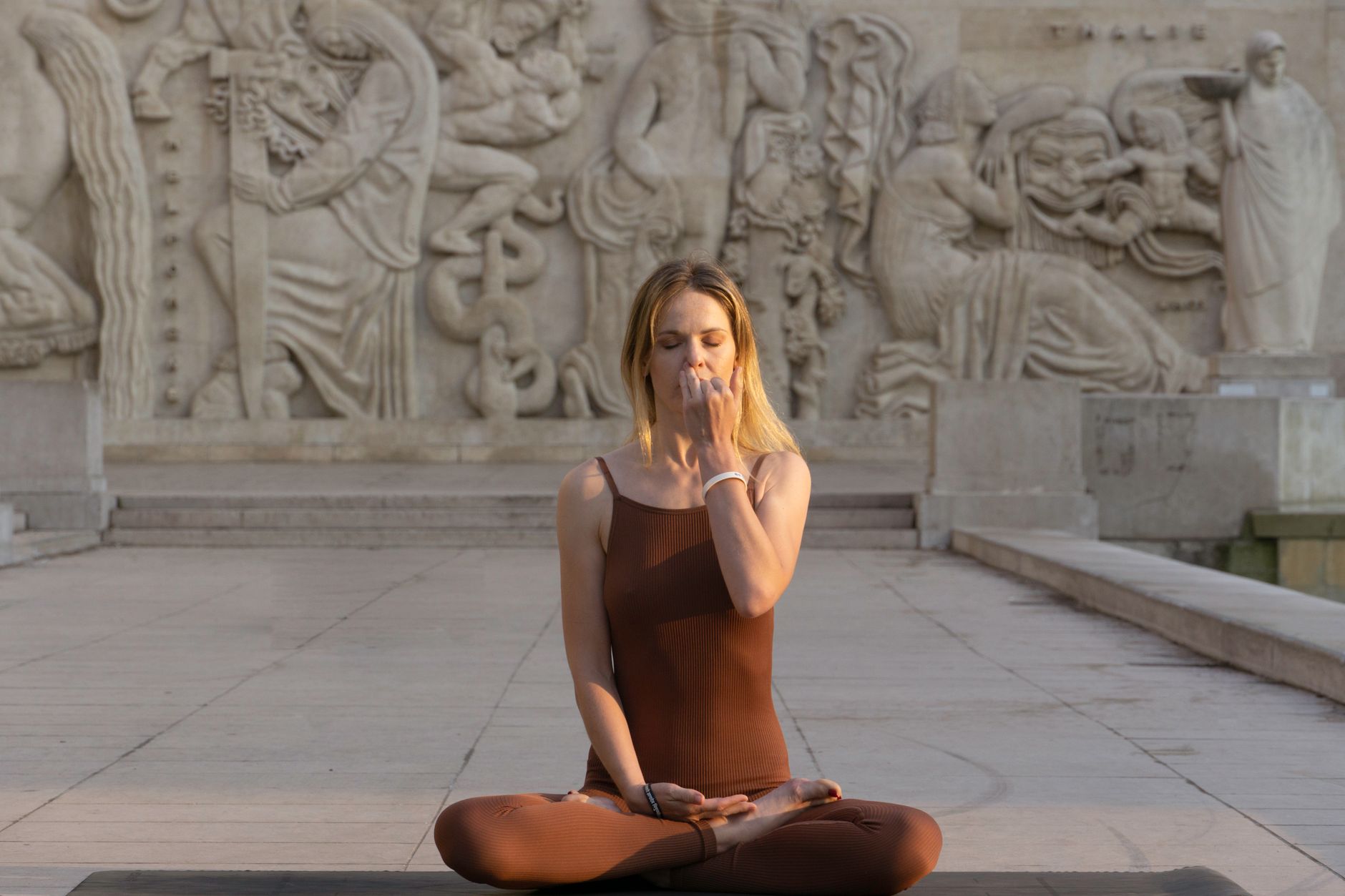
Fear of Cold Plunge: Mental Techniques That Get You In the Water
You stand at the edge of the tub. The water looks still, almost innocent. Your hand touches the surface and every instinct in your body screams no. This moment - the few seconds before immersion - is where most people lose the battle before it even begins. It is not a matter of willpower alone. It is neurobiology working exactly as it was designed to, millions of years before cold plunge became a wellness trend.
Understanding what happens in your brain during those seconds is the first step toward changing your response. The second step is having a set of practical, repeatable techniques you can use every single time, regardless of motivation or mood. This article breaks down both - the science behind cold-water fear and four mental tools that experienced practitioners use to make the plunge feel less like a fight and more like a ritual.
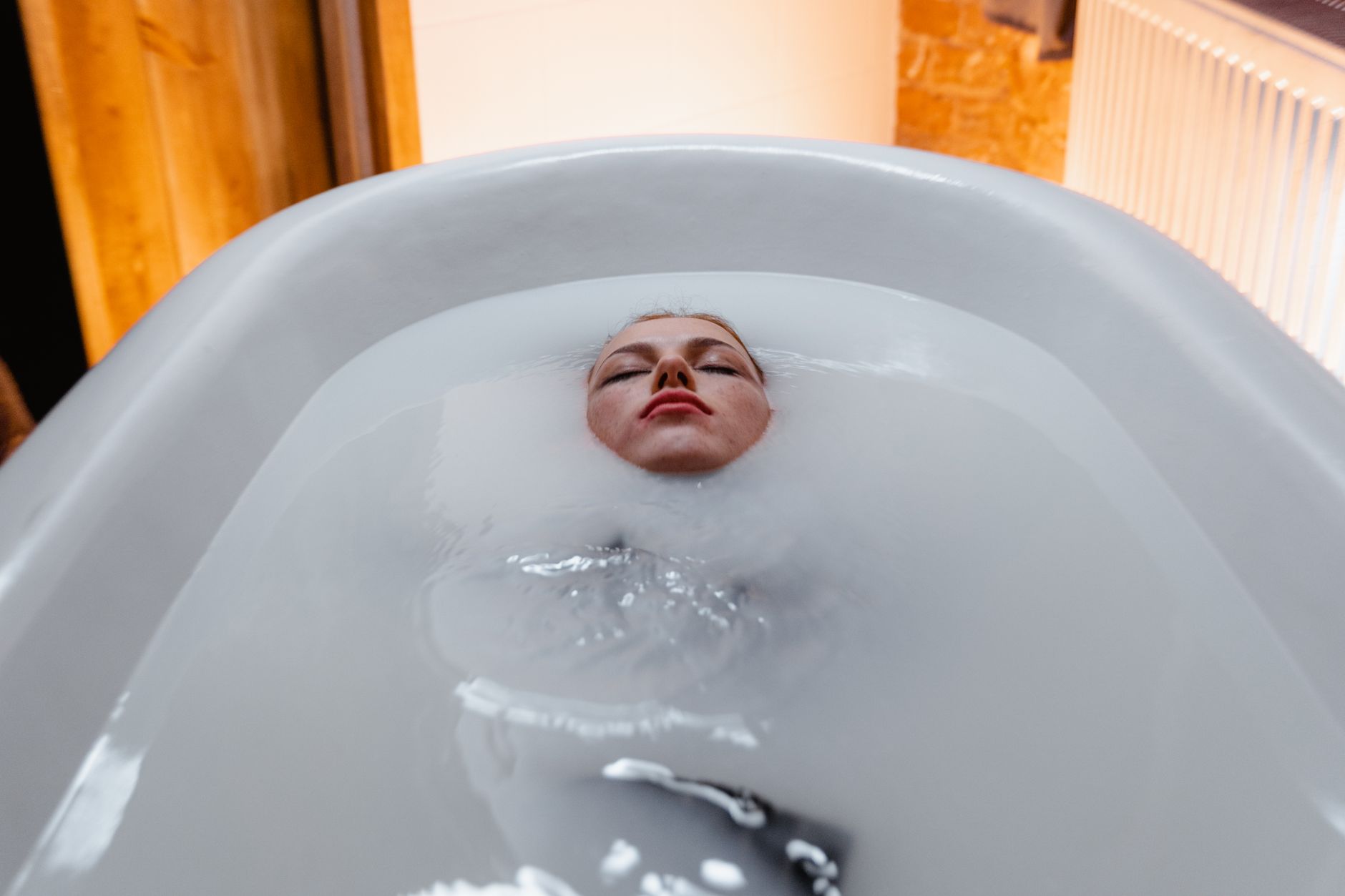
Why Your Brain Panics Before You Even Touch the Water
The fear you feel before cold immersion is not irrational weakness - it is a precise survival mechanism. When cold receptors in your skin detect a sudden temperature drop, signals travel almost instantly to the amygdala, the brain's threat-detection center. The amygdala does not distinguish between "life-threatening danger" and "uncomfortable cold plunge session." It simply reacts.
This triggers the classic fight-or-flight response: your heart rate spikes, breathing becomes shallow and rapid, cortisol and adrenaline flood your bloodstream, and your muscles tense in preparation to escape. This is sometimes called the "cold shock response," and it is the reason so many people gasp, hyperventilate, or instinctively pull back the moment cold water touches their skin.
The good news is that this response is trainable. Repeated, controlled exposure teaches your nervous system that cold water is not a threat to survival - it is a manageable stressor. Over time, the amygdala's alarm signal weakens, and the prefrontal cortex (the rational, decision-making part of your brain) gains more control over the situation. This is the biological basis of building tolerance and, eventually, calm.
Technique 1: The Mental Anchor Before You Step In
Elite athletes and performers often use a technique called "anchoring" - associating a specific word, image, or physical gesture with a desired mental state. Before stepping into a cold plunge, choose one simple anchor: a word like "steady," a mental image of calm water, or a small physical cue like pressing your thumb and forefinger together.
The key is consistency. Use the same anchor every single time, before every session. After repeated pairing, your brain begins to associate that word or gesture with the state of controlled calm you want to feel, rather than panic. This is not a gimmick - it is classical conditioning, the same mechanism behind many behavioral training methods used in sports psychology.
- Pick one word or gesture and commit to it long-term
- Use it in the 10 seconds before entering the water
- Pair it consistently with slow, controlled breathing
Technique 2: The 3-2-1 Countdown Method
Hesitation is often the real enemy, not the cold itself. The longer you stand at the edge deliberating, the more time your amygdala has to build resistance and flood your system with stress signals. The 3-2-1 method removes that window of hesitation entirely.
Instead of standing there negotiating with yourself, count down from three and commit to entry on "one" - no exceptions, no extra seconds. This technique is borrowed from behavioral change research showing that action taken quickly, before the analytical brain has time to talk you out of it, is far more likely to succeed than action delayed by deliberation.
With practice, this becomes automatic. You stop treating the plunge as a decision you make every single time, and start treating it as a sequence you simply execute.
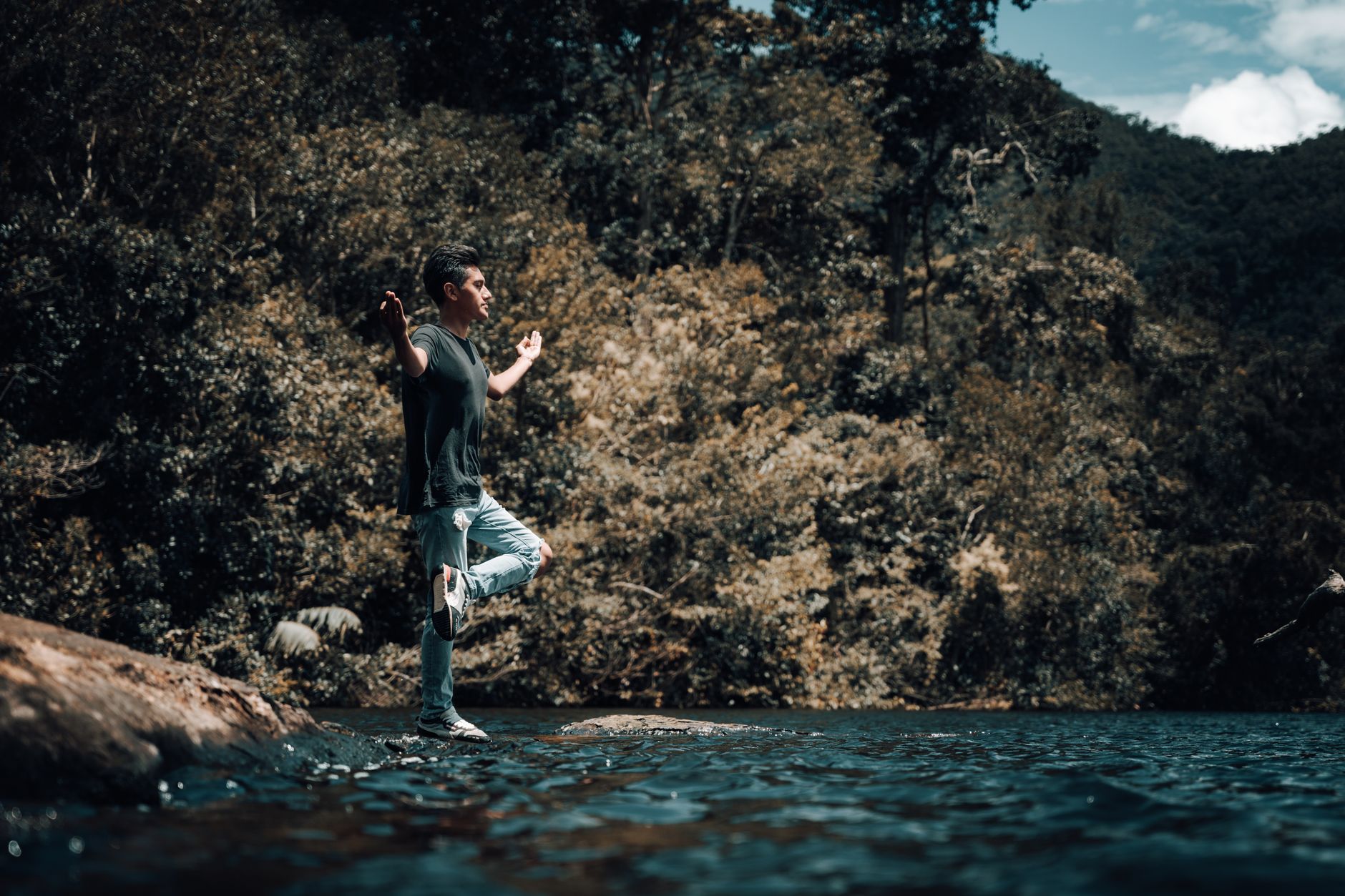
Technique 3: The Calm Exhale Before Immersion
Many people associate cold exposure with dramatic, forceful breathing patterns. But for the moment right before immersion, a quieter approach tends to work better. Instead of hyperventilating or bracing with a held breath, try a slow, deliberate exhale - longer than your inhale - right before you step in.
A long exhale activates the parasympathetic nervous system, the branch responsible for calming the body down rather than activating it. This slightly lowers heart rate and signals to your brain that you are not in a state of emergency, even as the cold receptors in your skin are sending alarm signals. Think of it as sending two competing messages to your nervous system - and training the calm one to win more often.
A simple pattern many practitioners use: inhale for four counts, exhale for six to eight counts, repeated three to four times immediately before entry. This is not about controlling the cold - it is about controlling your internal response to it.
A Quick Pre-Plunge Breathing Sequence
| Step | Action | Duration |
|---|---|---|
| 1 | Inhale through the nose | 4 seconds |
| 2 | Slow exhale through the mouth | 6-8 seconds |
| 3 | Repeat before stepping in | 3-4 rounds |
Technique 4: Reframing the Sensation, Not Suppressing It
One of the most effective shifts in cold plunge psychology is changing the label you attach to the sensation. Cold water creates an intense physical feeling - sharp, invasive, uncomfortable. Most beginners interpret this as "pain" or "danger," which reinforces the fear response.
Experienced practitioners often practice cognitive reframing: instead of labeling the sensation as pain, they label it as intensity, or simply as "sensation without judgment." This might sound like a small linguistic trick, but research on pain perception shows that the words we use to describe physical experience genuinely change how intensely we feel them. You are not pretending the cold is not there - you are choosing not to interpret it as a threat.
Building the Ritual: Becoming Someone Who Does This
Techniques help in the moment, but lasting change comes from something deeper - identity. Behavioral psychology distinguishes between outcome-based habits ("I want to feel more resilient") and identity-based habits ("I am someone who does cold immersion"). The second framing is far more durable, because it is not dependent on daily motivation.
Each time you complete a cold plunge session, you are casting a vote for a version of yourself who handles discomfort with composure. Over weeks, this accumulates into genuine self-trust - not because the water gets easier, but because your relationship with discomfort changes.
This is where ritual matters. A consistent routine - same time of day, same steps, same anchor word, same breathing sequence - removes decision fatigue and turns cold exposure into a stable part of your identity rather than a battle you fight from scratch every time. A well-designed home setup, with reliable and precise temperature control, makes this consistency far easier to maintain than relying on unpredictable natural cold water sources.
Summary: Training the Mind Is Part of the Practice
Fear before a cold plunge is not a sign that you are unsuited for cold therapy - it is your amygdala doing exactly what it evolved to do. The difference between people who dread every session and those who approach it with calm confidence usually comes down to a handful of trainable mental tools: a consistent anchor, a fast decision method like 3-2-1, a calming exhale before entry, and a reframed relationship with the sensation itself. Layered on top of a genuine ritual, these techniques transform cold immersion from a daily struggle into a practice that strengthens your sense of composure and control.
If you are ready to build this practice on your own terms, with precise, repeatable conditions instead of guesswork, explore what a dedicated home cold plunge setup can offer. Visit caspera.pl and fill out the contact form to learn more about Caspera's temperature-controlled systems and how they can support your cold exposure routine.
Frequently Asked Questions
How long does it take to overcome fear of cold plunge?
Most people notice a meaningful shift in their comfort level within a few weeks of consistent practice, though individual timelines vary. The nervous system adapts through repetition, not through a single session.
Is it normal to feel afraid every single time before entering?
Yes, some level of initial resistance is common even among experienced practitioners. The goal of mental techniques is not to eliminate the response entirely, but to manage it effectively.
Should I hold my breath when entering cold water?
Holding your breath tends to increase tension and can intensify the shock response. A slow, controlled exhale before and during entry is generally more effective for staying calm.
Does the temperature of the water affect how strong the fear response is?
Yes, colder temperatures typically produce a stronger cold shock response. This is one reason precise, adjustable temperature control can be useful for building tolerance gradually rather than starting at an extreme setting.
Can mental techniques replace physical adaptation to cold?
No, mental techniques work alongside physical adaptation, not instead of it. Over time, your body's physiological response to cold also changes with consistent, repeated exposure.
Ready for cold plunge?
CASPERA ARC/NØR - from 2°C
Polish premium cold plunge. Precise temperature control, sanitary acrylic, 5-year warranty. Delivery and installation across Poland.
Ask about the product →