Cold Plunge Physiology: What Really Happens to Your Body in the First 3 Minutes
You step in. The cold water hits your skin. Your breath catches, your heart races, and every instinct tells you to get out immediately. But you stay. And in those first three minutes, something remarkable unfolds inside your body - a cascade of physiological events that researchers and wellness experts are increasingly calling one of the most potent natural stimuli available to the human nervous system.
Cold plunge therapy, also known as cold water immersion or cold immersion therapy, has moved far beyond the realm of elite athletes. Biohackers, wellness enthusiasts, and everyday people committed to recovery and performance are now incorporating structured cold exposure into their routines. But what is actually happening beneath the surface? What does your nervous system, your cardiovascular network, and your endocrine system do in those first 180 seconds? Let's walk through it - second by second, system by system.
Seconds 0-30: The Thermal Shock Response
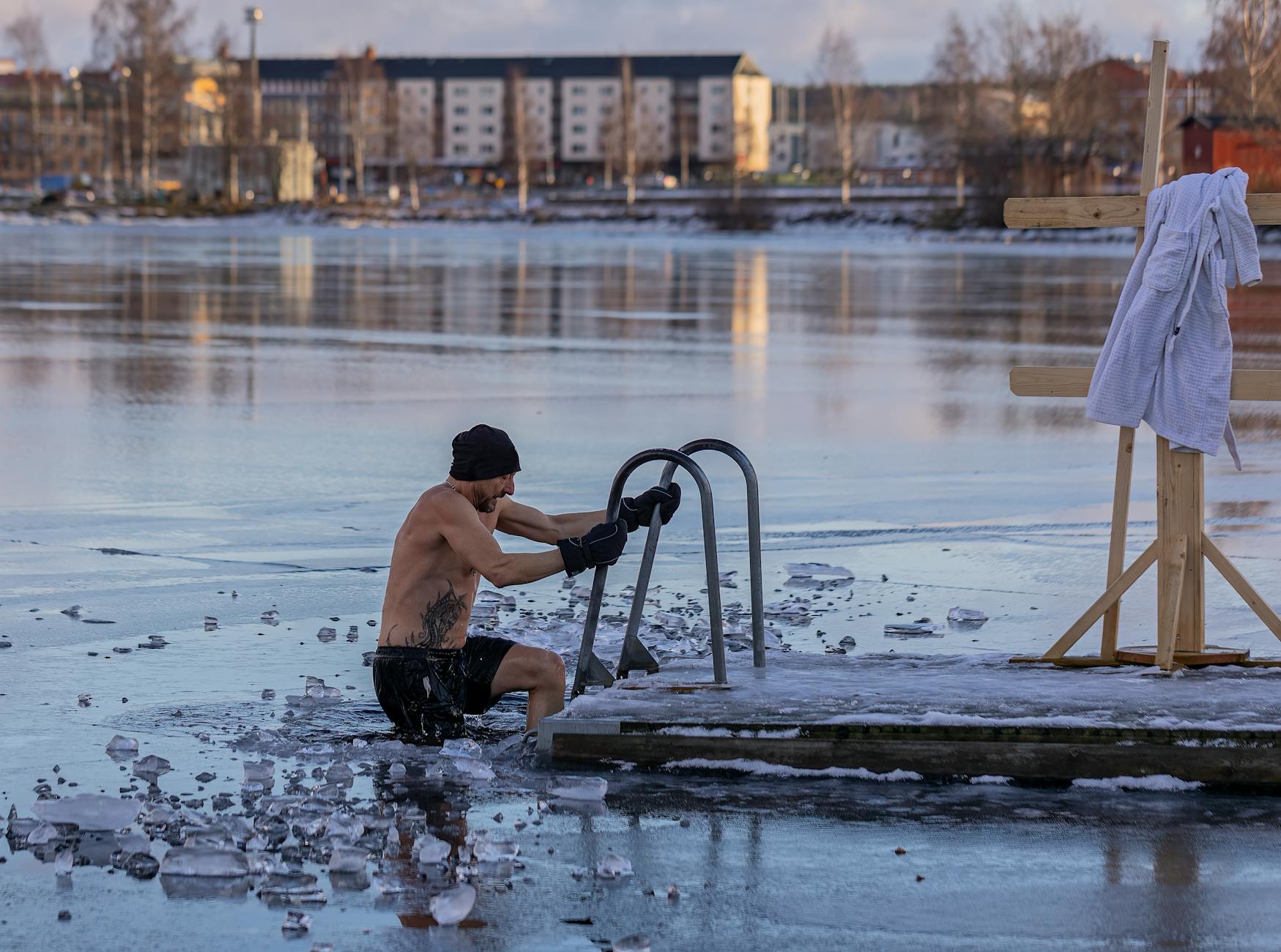
The moment cold water makes contact with your skin - particularly when you submerge to chest level - your body interprets the temperature stimulus as a potential threat. Skin temperature receptors called thermoreceptors fire signals at high speed toward the brainstem and spinal cord. This triggers what physiologists call the cold shock response, a well-documented reflex sequence that has been studied extensively in human subjects.
The most immediately noticeable effect is involuntary gasping, followed by hyperventilation. Research published in journals including the Journal of Physiology describes this response as an automatic increase in breathing rate that can temporarily reduce carbon dioxide levels in the blood. This is why controlled breathing is so important in the early seconds of cold immersion - it is not just a mental trick, it is a physiological intervention.
Simultaneously, peripheral blood vessels in your skin and extremities constrict rapidly. Blood is redirected away from the skin surface and toward your vital organs - the brain, heart, and lungs. Your body is executing a survival protocol that evolved over hundreds of thousands of years, and it is doing so within seconds of contact.
Seconds 30-90: The Sympathetic Nervous System Takes Over
By the 30-second mark, your sympathetic nervous system - the system responsible for the classic fight-or-flight response - is fully engaged. Heart rate typically increases in the early phase, though this response varies between individuals and with repeated cold exposure over time.
This is the moment when norepinephrine (also called noradrenaline) begins flooding your system. This is arguably the most talked-about aspect of cold water physiology, and for good reason. Research cited by neuroscientist Dr. Andrew Huberman from Stanford University indicates that cold water immersion can trigger a 200-300% increase in norepinephrine levels - a far greater release than exercise alone typically produces.
Norepinephrine plays a critical role in:
- Sharpening focus and alertness
- Elevating mood and motivation
- Regulating inflammation pathways
- Supporting metabolic function
Dr. Rhonda Patrick, a well-known researcher in the field of cold stress and thermal biology, has discussed the significance of this norepinephrine surge in multiple published interviews and papers, noting that the magnitude of the hormonal response is closely tied to water temperature and duration of immersion. Colder water - in the range of 10-15°C or lower - appears to produce stronger neurochemical responses than tepid cold.
The Cardiovascular Response: Your Heart Under Cold Pressure
Cold plunge physiology is inseparable from cardiovascular science. As peripheral vasoconstriction pushes blood toward the core, blood pressure temporarily rises. The heart must work harder to circulate thicker, more centralized blood volume. For most healthy adults, this is a brief and well-tolerated response - and with regular practice, the cardiovascular system adapts efficiently.
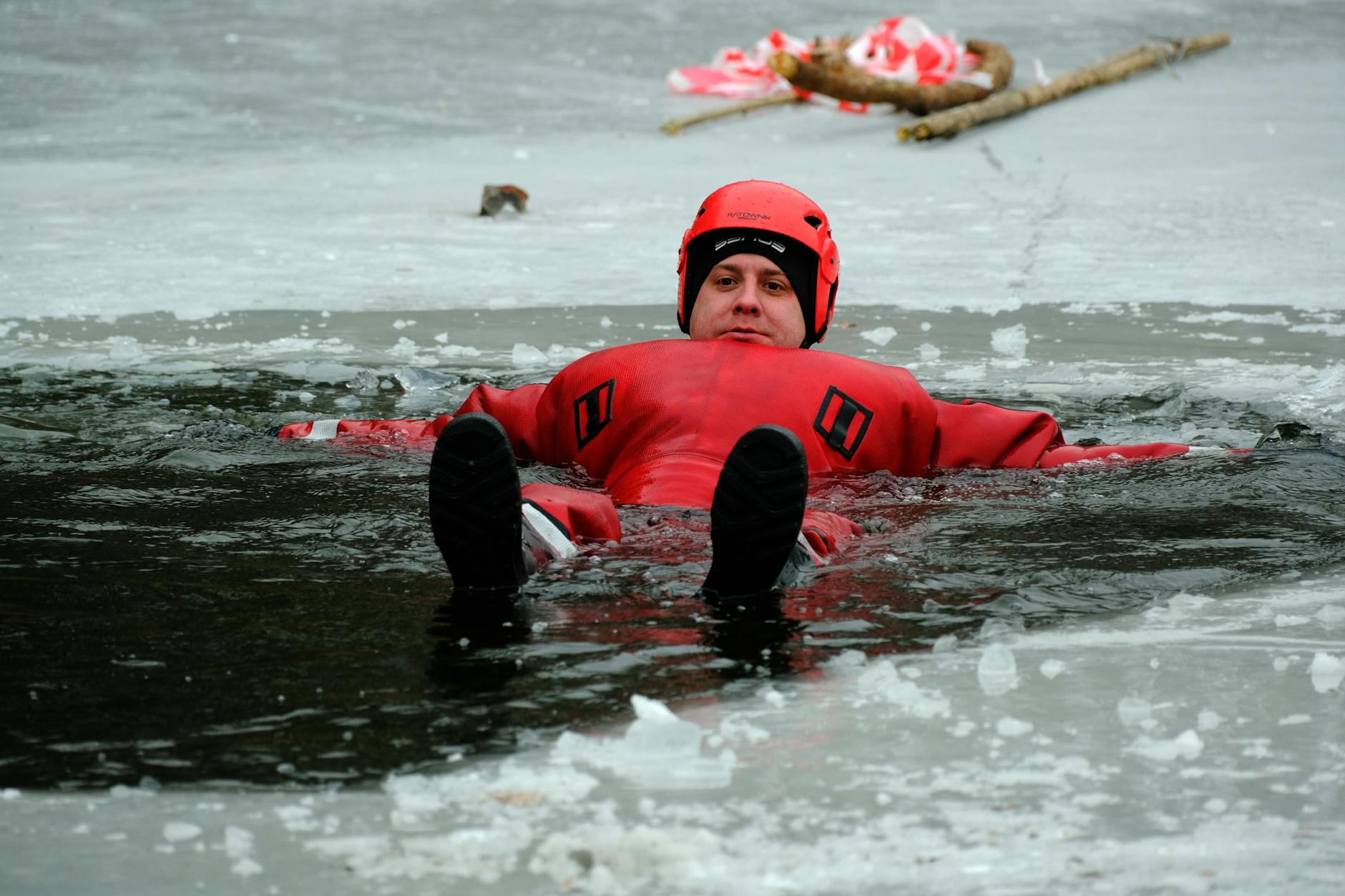
What is particularly interesting is the diving reflex, a parasympathetic response that activates when the face or upper chest contacts cold water. This reflex - shared across all mammals - actually slows heart rate even as the rest of the sympathetic system is accelerating. The result is a fascinating tension between competing systems that researchers believe contributes to increased heart rate variability (HRV) over time with regular cold exposure.
Heart rate variability has become one of the most widely tracked markers of recovery quality among athletes and wellness-focused individuals. Higher HRV is generally associated with better recovery status, reduced stress load, and improved autonomic nervous system balance - areas that cold immersion practitioners consistently report improvement in.
Minutes 1-3: The Body Begins to Adapt
By the 60-second mark, something shifts. Many regular cold plunge users describe a transition point where the initial panic and discomfort begin to ease. This is not imagination - it reflects genuine physiological change.
The skin's cold receptors begin to habituate to the temperature stimulus. Breathing typically normalizes as the initial gasping reflex subsides. Blood pressure, while still elevated, begins to stabilize. And the endocrine system continues its work, with dopamine levels beginning to rise - not just transiently, but in ways that research suggests may last for hours after the session ends.
Huberman's work on cold exposure highlights that dopamine release from cold immersion follows a different and more sustained pattern than many other stimuli, contributing to the mood elevation and sense of accomplishment that cold plunge users frequently describe. This sustained dopamine response may help explain why cold immersion often feels easier over time - the brain begins to associate the discomfort with a reliable and significant neurochemical reward.
Meanwhile, core body temperature remains largely stable in the first three minutes in healthy adults, thanks to the body's vasoconstriction response. True hypothermia risk for healthy individuals begins only with prolonged immersion beyond recommended durations - another reason why precision temperature control matters for safe, effective practice.
Why Temperature Precision Changes Everything
The research consistently shows that water temperature is not trivial - it is the primary variable that determines the intensity of the physiological response. Water at 15°C produces a measurably different hormonal cascade than water at 10°C or 6°C. This is why serious cold plunge practitioners - from professional athletes to dedicated home wellness users - invest in equipment that delivers and maintains exact temperatures.
A chiller system capable of reaching temperatures between 2°C and 40°C with precision and consistency transforms cold immersion from a guessing game into a controlled, repeatable practice. The ability to track, adjust, and replicate temperature conditions allows users to progressively challenge their physiology - the same principle that underlies structured training in any athletic discipline.
Caspera's cold plunge systems are designed precisely around this principle. Built with premium sanitary acrylic and engineered in Poland, each system delivers accurate temperature control within the therapeutic range that research supports - giving both individual users and professional wellness facilities the tools to practice cold immersion with confidence and consistency.

Summary: Three Minutes That Change Your Entire Day
In fewer than 180 seconds, a well-executed cold plunge engages your nervous system, reshapes your hormonal environment, trains your cardiovascular system, and delivers neurochemical effects that research links to improved focus, mood, and recovery. It is not a passive experience - it is an active conversation between your body and its environment.
Understanding the physiology behind cold water immersion does more than satisfy curiosity. It gives you the framework to practice more intentionally, to breathe better in those first seconds, to recognize the shift at the 60-second mark, and to appreciate why showing up consistently - at a precise, controlled temperature - matters more than any single session.
If you are ready to explore cold plunge therapy with equipment designed for precision and built to last, visit caspera.pl and fill out the contact form. Our team will provide you with complete product information and guide you through the options available for your home or professional wellness setup.
Frequently Asked Questions
How cold should the water be for an effective cold plunge?
Research suggests that temperatures between 10°C and 15°C are sufficient to trigger meaningful physiological responses for most people. More advanced practitioners often work in the 6-10°C range. The key is consistency and gradual adaptation rather than extreme temperatures from the start.
How long should I stay in a cold plunge?
Most research protocols use sessions of 2-5 minutes for cold water immersion. Dr. Huberman's widely cited recommendations suggest that accumulating approximately 11 minutes per week across multiple sessions is a reasonable target for those seeking neurological and recovery benefits.
Is cold plunge therapy safe for everyone?
Cold water immersion is not appropriate for everyone. Individuals with cardiovascular conditions, Raynaud's disease, or other relevant health concerns should consult a medical professional before beginning cold therapy. Always approach cold immersion with appropriate caution and build exposure gradually.
What is the difference between a cold plunge and a regular ice bath?
A cold plunge with a dedicated chiller system maintains a precise, consistent temperature without the need for ice. This allows for repeatable, controlled sessions and eliminates the variability of ice baths, where water temperature changes unpredictably as ice melts.
Why does a cold plunge feel easier after regular practice?
With repeated exposure, the nervous system adapts through a process called habituation. The initial gasping reflex becomes less intense, breathing control improves, and the body's vasoconstriction response becomes more efficient. Neurochemically, the brain also begins to anticipate the dopamine reward, making the entry point psychologically easier over time.
Ready for cold plunge?
CASPERA ARC/NØR - from 2°C
Polish premium cold plunge. Precise temperature control, sanitary acrylic, 5-year warranty. Delivery and installation across Poland.
Ask about the product →