Cold Plunge in the Garden: A Step-by-Step Planning Guide
Building a cold plunge in the garden has become one of the most desired additions to home wellness zones, and it is easy to understand why. Instead of visiting a spa or sports facility, athletes and biohackers can now step outside their own home and immerse themselves in precisely controlled cold water at any time. However, placing a cold plunge outdoors is not as simple as picking a spot and filling it with water. It requires careful planning around sunlight exposure, electrical and water access, weather protection, and garden aesthetics.
This guide walks you through every practical step of designing an outdoor cold plunge zone, from choosing the right location to preparing your setup for winter. Whether you are a dedicated athlete seeking consistent recovery tools or simply someone building a private wellness sanctuary, this article will help you approach the project with confidence and clarity.
Choosing the Right Location for Your Cold Plunge
The location of your cold plunge determines both its functionality and its long-term durability. Before installation, consider the following factors carefully.
Sunlight Exposure
Direct sunlight affects water temperature and material longevity. A cold plunge placed in full sun throughout the day will require the chiller system to work harder to maintain low temperatures, especially during summer months. Positioning the unit in a partially shaded area, or near a wall, pergola or tree line, helps reduce thermal load and protects the acrylic surface from prolonged UV exposure.
Ground Stability
A cold plunge filled with water is heavy, so the surface beneath it must be stable and level. A reinforced concrete pad or compacted gravel base is typically recommended. Uneven ground can cause structural stress over time, so this step should never be skipped.
Proximity to the House
Placing the unit close to your home entrance makes year-round use far more comfortable, particularly in colder months when walking barefoot across the garden is less appealing. Many homeowners choose a spot near a terrace or covered patio to bridge indoor comfort with outdoor recovery.
Planning Electrical and Water Access
A premium cold plunge with a precision temperature control system, such as the CASPERA chiller offering a range from 2°C to 40°C, requires dedicated electrical infrastructure. This is one of the most important technical aspects of the entire project.
- Electrical supply: The chiller unit needs a stable, weatherproof power connection. Consult an electrician about installing an outdoor-rated outlet with proper circuit protection.
- Water source: A nearby garden tap or plumbed connection simplifies filling and maintenance. Consider drainage as well, since periodic water changes are part of regular upkeep.
- Cable and pipe routing: Plan cable channels and water lines before pouring any concrete base. Retrofitting these elements afterward is far more complicated and costly.
Working with a qualified installer during this phase prevents future complications and ensures your cold plunge functions reliably regardless of season.
Materials That Withstand Outdoor Conditions
Not every material suited for indoor use performs well outdoors. Garden installations face temperature swings, moisture, UV rays and, depending on your climate, frost. This is why the material choice for both the tub and surrounding structure matters significantly.
Sanitary-grade premium acrylic, like the one used in CASPERA cold plunge tubs, is designed to resist weathering while maintaining a smooth, hygienic surface that does not degrade under UV exposure. When planning the surrounding deck or platform, consider:
| Material | Weather Resistance | Maintenance Level |
|---|---|---|
| Composite decking | High | Low |
| Natural hardwood | Moderate | Moderate to High |
| Stone or tile | High | Low |
| Untreated softwood | Low | High |
Choosing durable surrounding materials not only protects your investment but also keeps the wellness area looking refined for years to come.
Winter Protection and Year-Round Use
One of the advantages of an outdoor cold plunge is the ability to use it throughout the year, but this requires proper winter preparation. In colder climates, freezing temperatures can affect both water systems and the surrounding structure.
Insulated Covers
A well-fitted, insulated cover reduces heat loss, keeps debris out, and protects the water surface between sessions. It also helps the chiller maintain temperature more efficiently, reducing strain on the system.
Freeze Protection for Plumbing
Any exposed pipework should be insulated or heat-traced to prevent freezing during winter months. If the cold plunge will be left unused for extended periods in extreme cold, draining the system may be advisable, following manufacturer guidance.
Structural Shelter
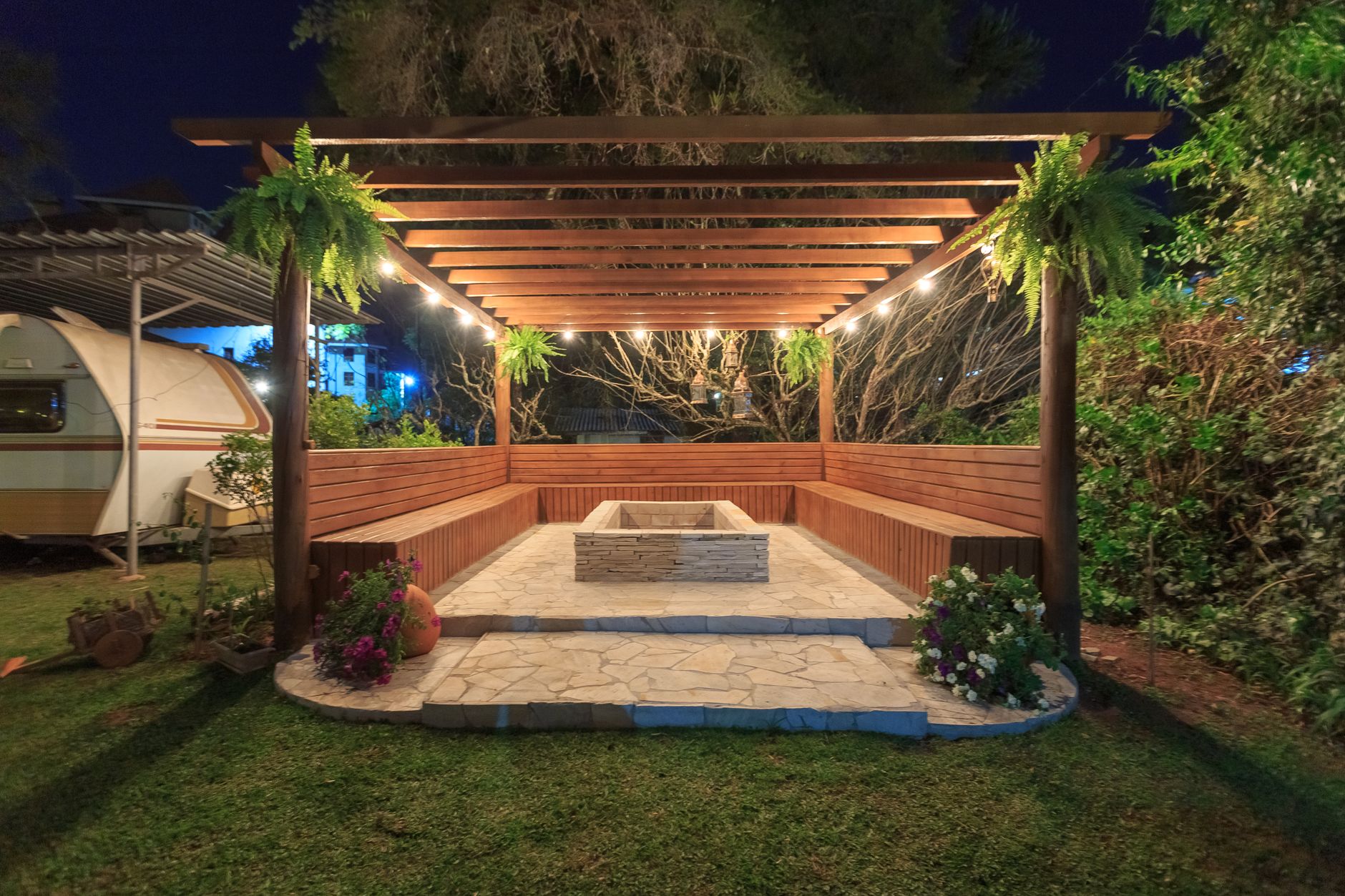
Some homeowners choose to build a partial enclosure, pergola roof, or windbreak around the cold plunge area. This not only protects the unit from snow and ice accumulation but also creates a more comfortable environment for winter recovery sessions.
Designing for Privacy and Garden Aesthetics
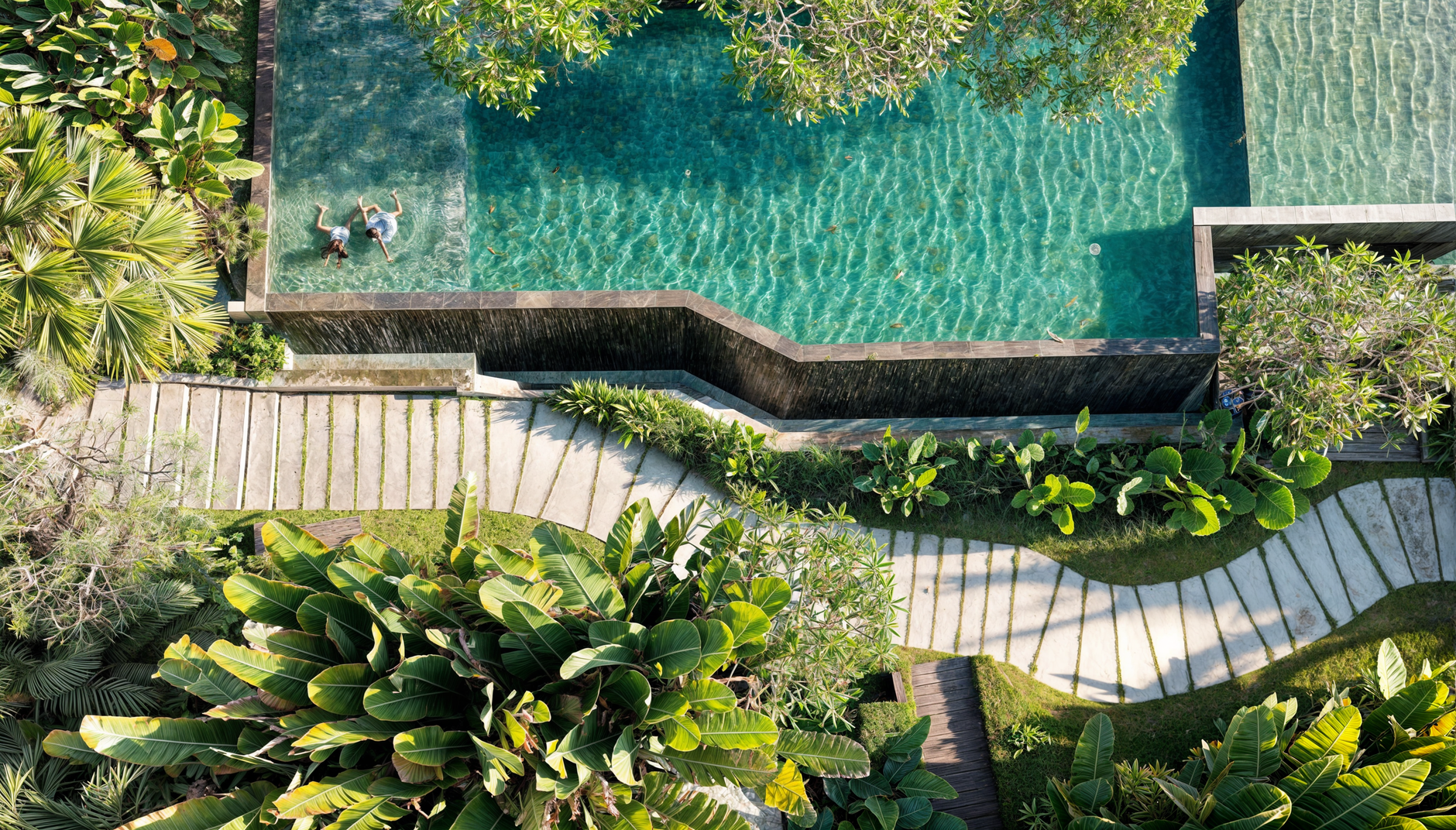
A cold plunge is a personal, often meditative experience, so privacy plays a meaningful role in how the space feels. At the same time, the installation should complement your garden's overall design rather than looking like an afterthought.
- Natural screening: Tall grasses, hedges or bamboo planting create a soft, organic barrier from neighboring views.
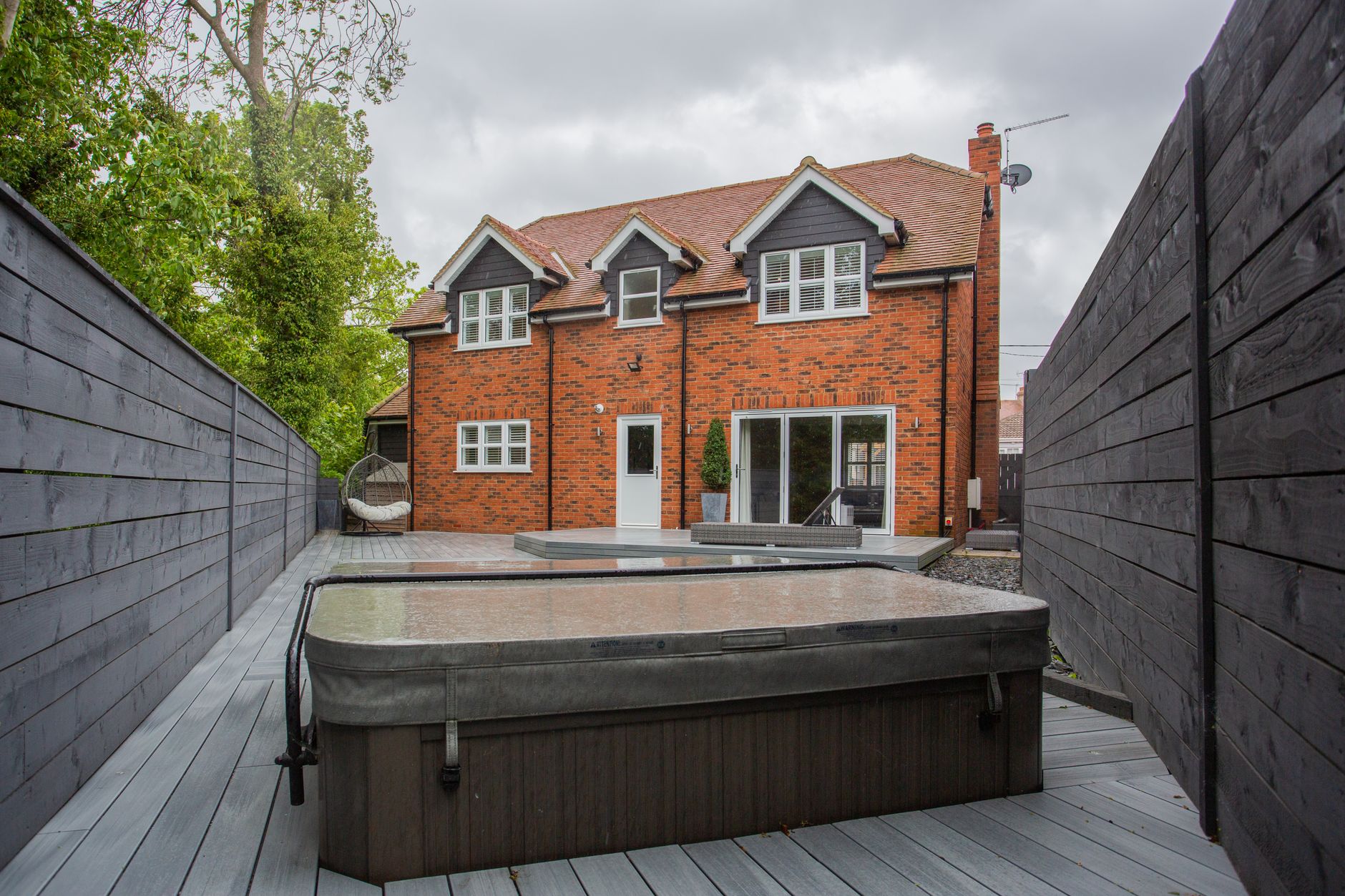
- Structural screening: Wooden slat panels, pergolas or fabric screens offer more immediate privacy while adding architectural interest.
- Lighting design: Subtle outdoor lighting, such as low-voltage path lights or warm ambient fixtures, extends usability into the evening and enhances the calming atmosphere.
- Cohesive materials: Matching the tub's surrounding platform with existing garden materials, such as decking or stone paths, helps the wellness zone feel like a natural extension of the outdoor space rather than a separate addition.
Thoughtful design choices transform a functional recovery tool into a genuine sanctuary, one that invites regular use rather than becoming a rarely visited corner of the garden.
Maintenance Considerations for Outdoor Installations
Outdoor cold plunges require slightly more attentive maintenance than indoor units due to exposure to leaves, pollen, dust and weather debris. Establishing a simple routine helps preserve water quality and system performance.
- Check and clean filtration components regularly, especially after storms or windy periods.
- Inspect covers for wear and secure fitting.
- Monitor water chemistry and temperature settings through the control system.
- Schedule periodic professional servicing to ensure the chiller and structural components remain in optimal condition.
A well-maintained outdoor cold plunge can provide many years of consistent, reliable use, particularly when built with durable, premium materials from the outset.
Bringing Your Outdoor Wellness Vision to Life
Planning a cold plunge in the garden involves far more than simply choosing a tub. From sunlight and ground preparation to electrical infrastructure, weatherproof materials, winter readiness, and thoughtful privacy design, each decision contributes to a wellness zone that feels both functional and inviting. When these elements come together with a precision-engineered system, the result is a private recovery space that supports your training and wellbeing throughout the entire year.
If you are ready to explore how a premium cold plunge solution could fit into your garden, the CASPERA team designs and produces its systems in Poland, offering precise temperature control from 2°C to 40°C, sanitary-grade acrylic construction, dedicated service support and a 5-year structural warranty. Visit caspera.pl and complete the contact form to receive detailed information about the product and available configurations for your outdoor wellness project.
Frequently Asked Questions
Do I need a professional to install an outdoor cold plunge?
Yes, professional involvement is recommended for electrical connections, plumbing and foundation preparation to ensure safety and long-term reliability.
Can a cold plunge stay outside all year round?
Many outdoor cold plunges can be used year-round with proper insulation, covers and freeze protection for plumbing, depending on your local climate conditions.
What is the best surface to place a cold plunge on?
A stable, level base such as reinforced concrete or compacted gravel is ideal, as it supports the weight of the filled tub and prevents structural issues over time.
How much privacy do I need around a cold plunge?
This depends on personal preference and garden layout, but natural screening like hedges or structural elements such as slat panels are commonly used to create a private, comfortable space.
How often does an outdoor cold plunge require maintenance?
Regular filter checks, water quality monitoring and periodic professional servicing are recommended to keep the system performing reliably throughout the year.
Ready for cold plunge?
CASPERA ARC/NØR - from 2°C
Polish premium cold plunge. Precise temperature control, sanitary acrylic, 5-year warranty. Delivery and installation across Poland.
Ask about the product →