
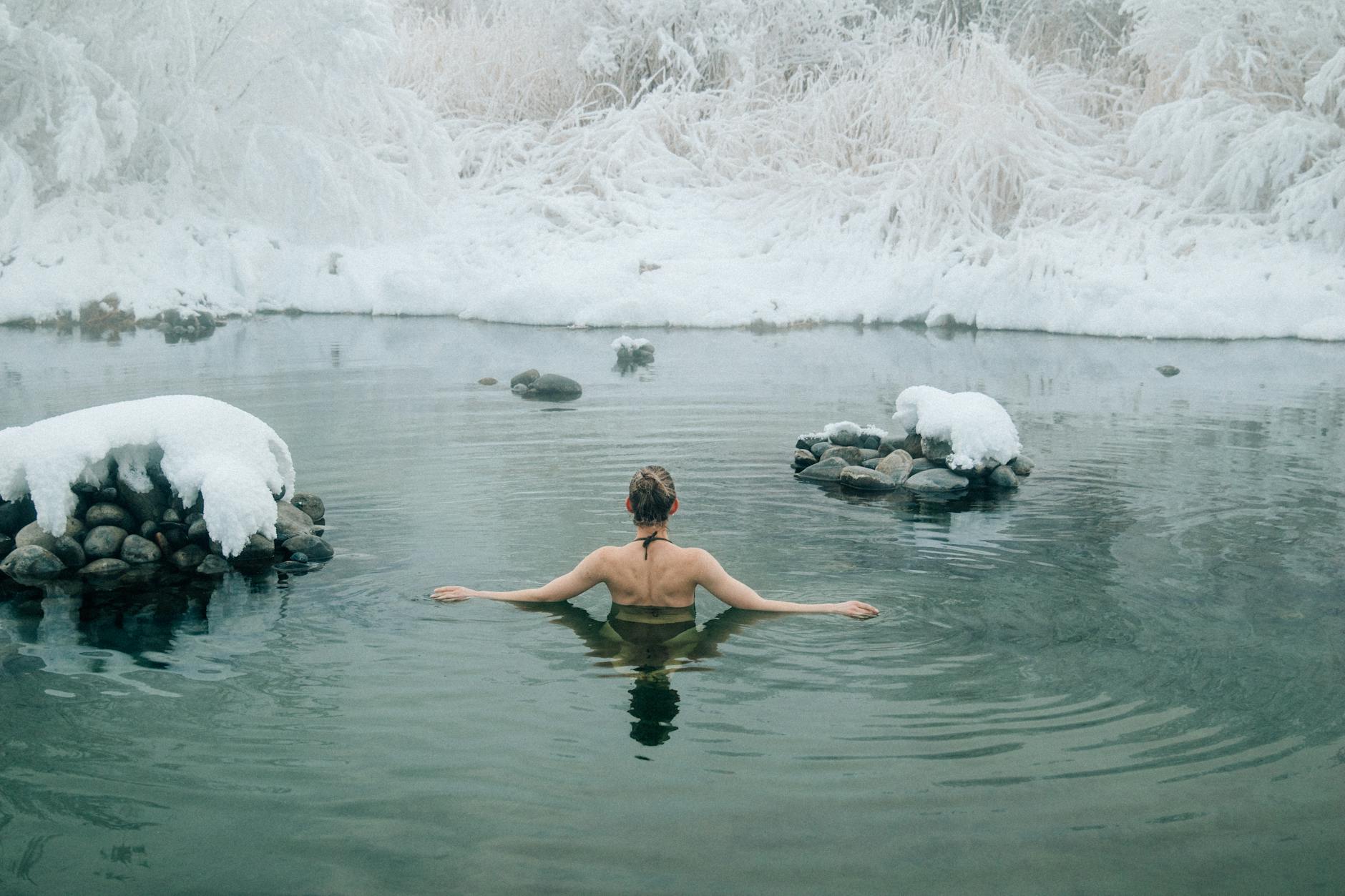
Cold Plunge for Beginners: The 30-Day Protocol That Actually Works
Starting cold water therapy can feel overwhelming. The idea of stepping into near-freezing water sounds more like a challenge than a wellness routine - and yet, millions of athletes, biohackers, and health-focused individuals have made cold immersion a cornerstone of their daily recovery practice. The difference between those who stick with it and those who give up after one attempt almost always comes down to one thing: a structured protocol.
This 30-day cold plunge guide is designed specifically for beginners. It walks you through a gradual, week-by-week progression with clear water temperatures, exposure times, and practical safety guidelines. Whether you are building a home wellness setup or exploring cold therapy for the first time, this protocol removes the guesswork and replaces fear with confidence. By day 30, cold immersion will not just be something you survive - it will be something you look forward to.
Why a Structured Protocol Matters for Cold Therapy Beginners
Cold immersion is a physiological stressor. When applied correctly and progressively, that stress triggers a cascade of adaptive responses in the body - improved circulation, faster muscle recovery, sharper mental focus, and a more resilient nervous system. When applied too aggressively too soon, it simply becomes unpleasant and unsustainable.
A structured cold plunge protocol works because it respects your body's adaptation curve. Just like resistance training, you do not start with maximum weight on day one. You build tolerance, learn to control your breathing, and gradually extend your exposure. This approach dramatically reduces the dropout rate and allows your body to respond the way it is designed to.
The 30-day framework below is divided into four weekly phases, each with a specific temperature range, time target, and focus area. Consistency matters far more than intensity at this stage.
The 30-Day Cold Plunge Protocol: Week-by-Week Breakdown
Week 1 - Temperature: 15-18°C | Time: 1-2 minutes
The first week is about familiarization, not performance. Your primary goal is to teach your nervous system that cold water is not a threat. Many beginners make the mistake of starting too cold, which triggers panic breathing and a negative association with the practice.
- Days 1-3: 15-18°C water, 60-90 seconds per session. Focus entirely on slow nasal breathing. Do not hold your breath.
- Days 4-5: Same temperature, extend to 90-120 seconds. Notice how your breath naturally slows after the initial shock.
- Days 6-7: Rest or light shower contrast therapy (warm then cold for 30 seconds).
Key focus this week: Breathing control. The cold shock response is driven by your autonomic nervous system. Learning to breathe through it is the single most important skill in cold immersion.
Week 2 - Temperature: 12-15°C | Time: 2-3 minutes
By week two, your body has begun adapting. You will likely notice the initial shock feels less intense. Now we introduce slightly cooler water and longer exposure.
- Days 8-10: Drop to 12-15°C. Maintain 2-minute sessions. Observe your mental state during the plunge - resist the urge to exit early.
- Days 11-12: Push to 2.5-3 minutes. Practice staying still in the water rather than moving to stay warm.
- Days 13-14: Rest. Reflect on how your recovery and sleep quality have changed.
Key focus this week: Mental resilience. Cold therapy is as much a mental practice as a physical one. Each session is an opportunity to practice staying calm under stress.
Week 3 - Temperature: 8-12°C | Time: 3-4 minutes
This is where significant adaptation begins. Water below 10°C activates deeper thermogenic processes and provides a more potent stimulus for recovery and alertness.
- Days 15-17: 10-12°C, 3 minutes. You may feel a strong urge to leave around the 90-second mark - this is normal. Breathe through it.
- Days 18-19: Drop to 8-10°C. Target 3.5-4 minutes. After exiting, allow your body to rewarm naturally rather than rushing to a hot shower.
- Days 20-21: Rest or gentle movement like walking or yoga.
Key focus this week: Post-plunge recovery. How you exit and rewarm matters. Allow 10-15 minutes of natural rewarming to maximize the adaptive response.
Week 4 - Temperature: 4-8°C | Time: 3-5 minutes
By week four, you are operating at a level most people never reach. Temperatures between 4-8°C represent the optimal therapeutic window for cold immersion, as supported by current sports science research.
- Days 22-25: 6-8°C, 3-4 minutes. Sessions can be performed in the morning for alertness or post-workout for recovery.
- Days 26-28: Push to 4-6°C if comfortable. Maintain 4-5 minute sessions. Your breathing should now feel almost automatic.
- Days 29-30: Perform your coldest and longest session of the month. Acknowledge the progress. Reassess your next phase goals.
Common Beginner Mistakes and How to Avoid Them
Even motivated beginners fall into predictable traps. Knowing them in advance significantly increases your chance of completing the protocol.
- Starting too cold too soon: Cold shock at 4°C on day one creates a fear response, not an adaptive one. Follow the temperature progression above.
- Skipping breathing practice: Uncontrolled breathing is the number one reason people panic and exit early. Practice slow exhales before and during the plunge.
- Inconsistent sessions: Two sessions a week will not produce meaningful adaptation. Aim for five sessions per week as outlined in the protocol.
- Jumping into a hot shower immediately after: This short-circuits the thermogenic response. Give your body 10-15 minutes to rewarm passively.
- Ignoring rest days: Recovery days are part of the protocol. Adaptation happens during rest, not only during the plunge itself.
What You Should Feel vs. Warning Signs to Take Seriously
Understanding the difference between normal discomfort and genuine warning signs is essential for safe cold therapy practice.
Normal and Expected Sensations
- Intense cold sensation and skin tingling in the first 30-60 seconds
- Faster heartbeat immediately after immersion
- Urge to exit, especially in weeks one and two
- Feeling of warmth and energy after exiting
- Mild muscle aching during rewarming
Warning Signs - Exit Immediately and Consult a Doctor
- Chest pain or pressure during immersion
- Loss of coordination or inability to grip the sides of the tub
- Uncontrollable shivering that does not stop after 15 minutes of rewarming
- Confusion, slurred speech, or disorientation
- Numbness that does not resolve within 20 minutes
If you have cardiovascular conditions, Raynaud's disease, or any chronic health condition, consult your physician before beginning any cold immersion practice.
The Role of Equipment in a Consistent Cold Plunge Practice
Consistency is the foundation of any protocol - and consistency requires reliable equipment. Improvised solutions like bathtubs filled with ice are difficult to temperature-control, time-consuming to prepare, and impossible to maintain at a precise therapeutic temperature day after day.
A dedicated cold plunge system with precise temperature control - capable of holding a stable range from as low as 2°C up to 40°C - transforms cold therapy from an occasional experiment into a repeatable, measurable daily practice. When your equipment holds 6°C reliably every morning, you remove all friction from the habit. You simply get in.
For those building a serious home wellness space or equipping a professional sports facility, investing in a purpose-built cold plunge unit made from premium sanitary acrylic is not about luxury - it is about making the protocol sustainable long-term.
Summary: Your Cold Plunge Journey Starts With One Decision
The 30-day protocol above is not theory - it is a practical, progressive system built around how the human body actually adapts to cold stress. By following the weekly temperature and time targets, avoiding the most common beginner mistakes, and respecting the signals your body sends you, cold immersion can become one of the most powerful recovery tools in your wellness routine.
Week one is the hardest. Week four feels like a superpower. The gap between them is just consistency and the right approach.
If you are ready to build a cold plunge setup that supports this protocol precisely and reliably - explore what Caspera has to offer. Visit caspera.pl and fill out the contact form to receive detailed product information or place your order. Our team is ready to help you build the cold therapy setup your practice deserves.
Frequently Asked Questions
How cold should the water be for a beginner cold plunge?
Beginners should start between 15-18°C and progressively lower the temperature over four weeks. Jumping straight to 4-6°C before your body has adapted makes the experience unpleasant and unsustainable. Follow the weekly progression outlined in this protocol for the best results.
How long should a cold plunge last for a beginner?
Start with 60-90 seconds in week one and work up to 3-5 minutes by week four. Duration matters less than consistency in the early stages. A 90-second session performed five days a week will produce far better adaptation than a single five-minute plunge once a week.
Can I do cold plunges every day?
This protocol recommends five sessions per week with two rest days. Daily cold immersion is practiced by many experienced users, but beginners benefit from rest days that allow the body to complete its adaptive response. As you progress beyond the 30-day protocol, you can assess whether daily sessions suit your recovery goals.
What should I do immediately after a cold plunge?
Allow your body to rewarm naturally for 10-15 minutes before taking a warm shower. Light movement like walking or gentle stretching supports the rewarming process. This passive rewarming phase is when many of the adaptive benefits of cold therapy are thought to consolidate.
Do I need a dedicated cold plunge unit or can I use a regular bathtub?
A regular bathtub filled with cold water or ice can work for occasional experimentation, but it lacks temperature precision and is impractical for daily use. A dedicated cold plunge system with precise temperature control removes daily friction, ensures consistent therapeutic temperatures, and makes the protocol significantly easier to maintain long-term.
Ready for cold plunge?
CASPERA ARC/NØR - from 2°C
Polish premium cold plunge. Precise temperature control, sanitary acrylic, 5-year warranty. Delivery and installation across Poland.
Ask about the product →