
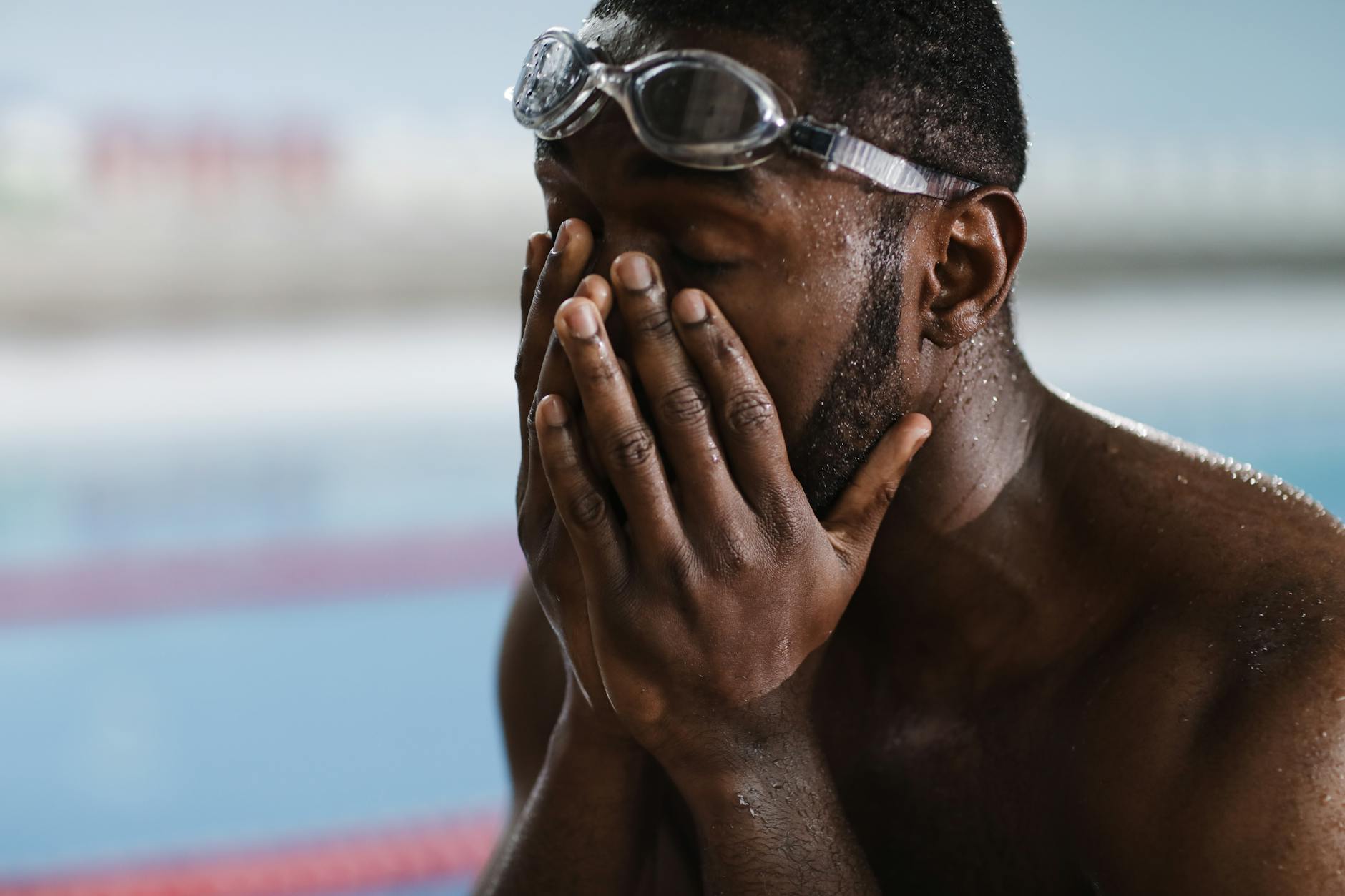
Cold Plunge After Strength Training: When It Helps and When It Hurts
Cold plunge therapy has become one of the most talked-about tools in athletic recovery. From professional sports facilities to home wellness setups, more athletes and fitness enthusiasts are stepping into cold water after their workouts. But here is the question that coaches, researchers, and biohackers keep debating: does a cold plunge after strength training actually support your goals - or could it quietly work against them?
The answer is more nuanced than most social media posts suggest. Cold immersion is not universally good or bad. Its effect depends heavily on what kind of training you did, when you apply it, and what your primary goal is at that point in your season or program. In this article, we break down the science, give you clear timing windows, and help you make an informed decision about when cold therapy belongs in your routine and when it is better skipped.
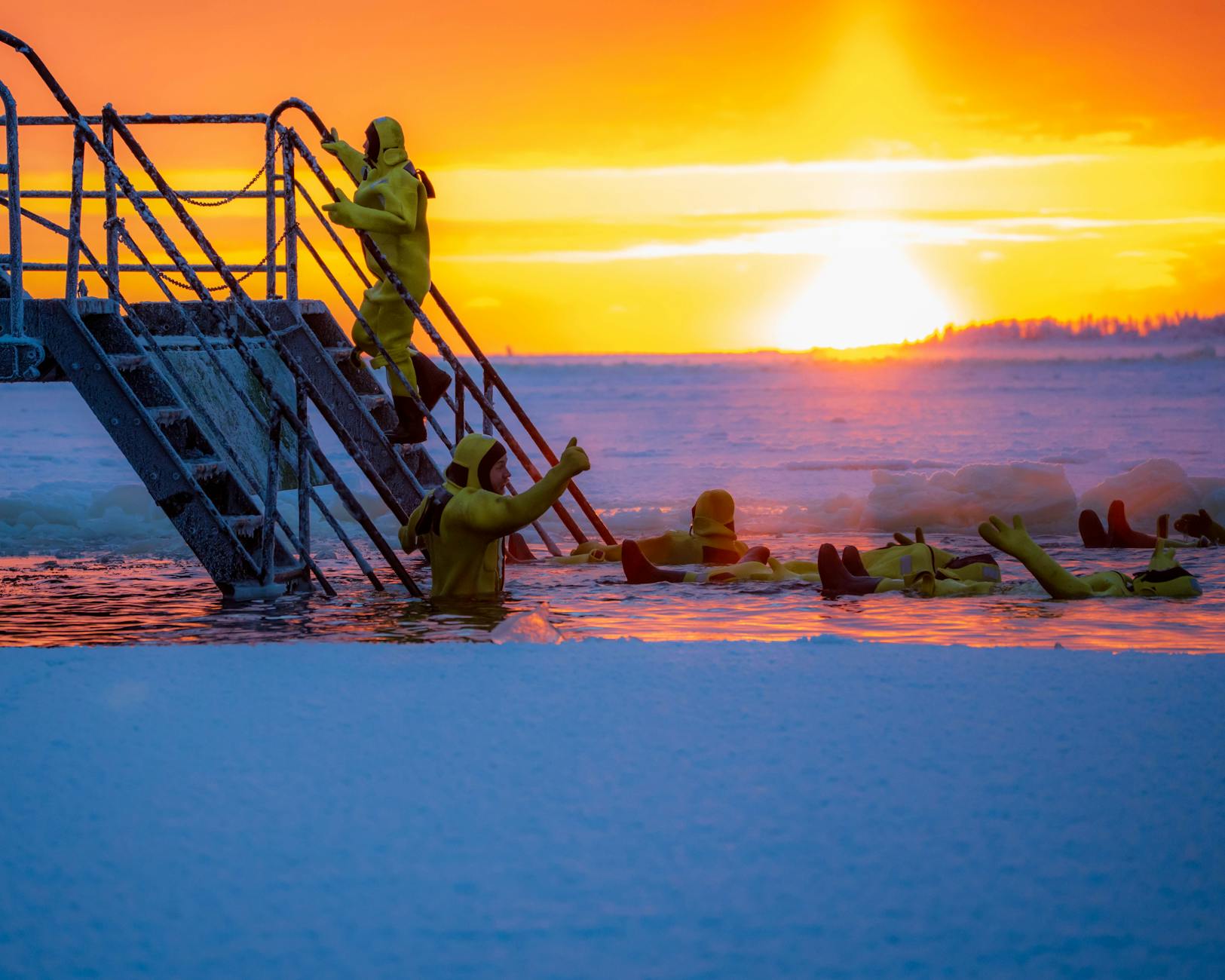
The Core Controversy: Cold Water and Muscle Adaptation
The most important conversation in this space started gaining serious scientific weight after the landmark research by Peake, Markworth, Nosaka, and colleagues, who investigated the cellular effects of cold water immersion following resistance exercise. Their findings pointed to something that surprised many in the fitness world: regular cold plunge sessions applied immediately after strength training may blunt the anabolic signaling that drives muscle growth.
Here is what happens at the cellular level. After you complete a hard lifting session, your muscles experience controlled micro-damage. This triggers a cascade of inflammatory and repair signals - including activation of satellite cells and upregulation of protein synthesis pathways. This process, while temporarily uncomfortable, is the biological foundation of getting stronger and building muscle mass.
Cold water immersion constricts blood vessels and reduces inflammatory activity. In many contexts, that is exactly what you want. But when applied within 30 to 60 minutes of a hypertrophy-focused strength session, this suppression of inflammation can interfere with the very signaling that tells your muscles to grow. Studies, including those referenced by Peake et al., showed reduced activation of key markers like mTOR and satellite cell proliferation in subjects who consistently used cold immersion post-lifting compared to those who used active recovery.
When Cold Plunge After Exercise Is a Smart Choice
Despite the nuance around strength training, cold therapy remains a highly effective recovery tool in a wide range of athletic contexts. Understanding when it works in your favor is the key.
Endurance and Cardiovascular Training
If your session was a long run, cycling workout, rowing session, or any form of sustained cardiovascular effort, cold immersion is an excellent recovery option. Endurance training does not rely on the same acute inflammatory pathways for adaptation. The primary recovery needs here are reducing systemic inflammation, clearing metabolic byproducts, and managing soft tissue soreness - all areas where cold plunge therapy performs well.
Competition Phases and Tournament Play
When an athlete is in-season or competing across multiple days - such as in team sports, combat sports, or multi-event competitions - performance restoration takes priority over long-term adaptation. In this context, cold plunge is widely recommended because the goal shifts from building fitness to recovering fast enough to compete again at a high level. The temporary trade-off in adaptation signaling matters far less than being ready and functional for the next event.
High-Frequency Training Loads
Athletes training twice per day or on back-to-back high-volume days may benefit from cold immersion to manage cumulative fatigue - particularly when one session is skill-based, cardio-focused, or technically driven rather than pure resistance work. Context and training structure matter enormously.
Recommended Timing Windows: A Practical Guide
If you decide to include cold plunge in your routine alongside strength training, timing is everything. Here are the evidence-informed guidelines to follow:
- Avoid cold immersion within 4 hours of a hypertrophy-focused strength session if muscle growth is your primary objective. Allow the anabolic window to remain open.
- For performance maintenance or in-season recovery, cold plunge can be used 60 to 90 minutes after training once nutritional recovery (protein and carbohydrates) has been initiated.
- For endurance athletes, cold immersion within 30 minutes post-training is well-supported and generally beneficial.
- Morning cold plunge protocols - performed well before your afternoon or evening strength session - carry none of the adaptation-blunting risks and may support alertness, mood, and readiness.
- On rest days, cold therapy can be used freely for systemic recovery without any interference with training adaptation.
Different Athletes, Different Protocols
Not every athlete should follow the same cold plunge schedule. Here is how to think about it by training profile:
Bodybuilders and Strength-Focused Athletes
If your primary goal is maximizing muscle hypertrophy and strength gains, be selective with post-training cold immersion. Reserve it for competition prep weeks, deload phases, or recovery between non-resistance sessions. Do not make it a daily post-lifting ritual if building muscle is the priority.
CrossFit and Functional Fitness Athletes
Your training mix often combines strength work with metabolic conditioning. Consider using cold plunge primarily after conditioning-dominant sessions and limiting it after heavy barbell days. Periodize your cold exposure the same way you periodize your training load.
Team Sport and Combat Sport Athletes
During in-season periods, cold plunge is one of your most valuable recovery assets. With multiple training sessions and competitive matches per week, rapid recovery trumps long-term hypertrophy signaling. Use it consistently and systematically.
Recreational Athletes and Wellness-Focused Users
For those training primarily for health, fitness, and general wellbeing rather than competitive performance, the stakes of occasional adaptation blunting are lower. Morning cold plunge protocols or sessions on non-training days offer significant benefits without any meaningful trade-offs.
Temperature and Duration: Getting the Variables Right
The effectiveness of any cold plunge protocol depends on two key variables: water temperature and immersion duration. Research generally points to the following effective ranges:
- Temperature: Between 10°C and 15°C for general recovery. More experienced users may explore lower ranges, but this should be approached gradually.
- Duration: 10 to 15 minutes is widely cited as an effective window. Longer sessions do not necessarily produce proportionally greater benefits.
- Consistency: A single cold plunge session has limited impact. The cumulative benefit comes from building a regular, structured practice over weeks and months.
Precision temperature control is therefore not a luxury - it is a practical necessity for anyone serious about using cold therapy as part of a structured recovery system. Being able to set and maintain an exact temperature makes your protocol repeatable, trackable, and genuinely effective.
Summary: Use Cold Plunge With Intention, Not Just Habit
Cold plunge therapy is one of the most powerful recovery tools available to athletes and wellness-focused individuals - but only when used with awareness and intention. The research, including the important work of Peake and colleagues, makes it clear that timing and context determine whether cold immersion supports or works against your training goals.
The key takeaways are straightforward: avoid cold immersion immediately after hypertrophy-focused lifting if muscle growth is your priority, use it freely for endurance training and in-season competition recovery, and consider morning or rest-day protocols to capture the benefits without the trade-offs.
If you are ready to build a serious, precision-based cold therapy practice at home or in your facility, visit caspera.pl and fill out the contact form to learn more about Caspera cold plunge systems - designed and manufactured in Poland, with a 5-year structural warranty and precise temperature control from 2°C to 40°C.
Frequently Asked Questions
Can I use a cold plunge every day after training?
Daily cold immersion is safe for most healthy individuals, but its timing relative to your training type matters significantly. Avoid it directly after strength training focused on muscle growth. For cardio, rest days, or morning sessions, daily use is generally well-supported.
How long should I wait after lifting before a cold plunge?
If your priority is muscle hypertrophy, waiting at least 4 hours after a resistance session is a reasonable evidence-informed guideline. This allows the acute anabolic signaling window to remain active without interruption.
Does cold water immersion help with muscle soreness after strength training?
Cold immersion can reduce the perception of delayed onset muscle soreness (DOMS). However, some of that soreness is part of the adaptation process. Consistently suppressing it with cold therapy after every strength session may reduce the stimulus for long-term muscle development over time.
What temperature should a cold plunge be for athlete recovery?
Most recovery-focused protocols use water between 10°C and 15°C. Temperatures below this range require more experience and careful adaptation. Precise, controllable temperature settings allow you to dial in your protocol and progress it safely over time.
Is cold plunge therapy suitable for recreational gym-goers, not just elite athletes?
Absolutely. Cold plunge therapy offers benefits for anyone who trains regularly - improved recovery perception, mental resilience, and general wellbeing. For recreational users, the timing restrictions around strength training adaptation are less critical, making it a flexible and accessible practice.